After Day 1 over the Pyrenees left us equal parts accomplished and completely exhausted, somehow waking up to hike another 13.9 miles didn’t feel nearly as intimidating as it should have. Maybe the Camino had already started recalibrating our expectations, because after surviving the climbs of Day 1, Day 2 almost felt… manageable.
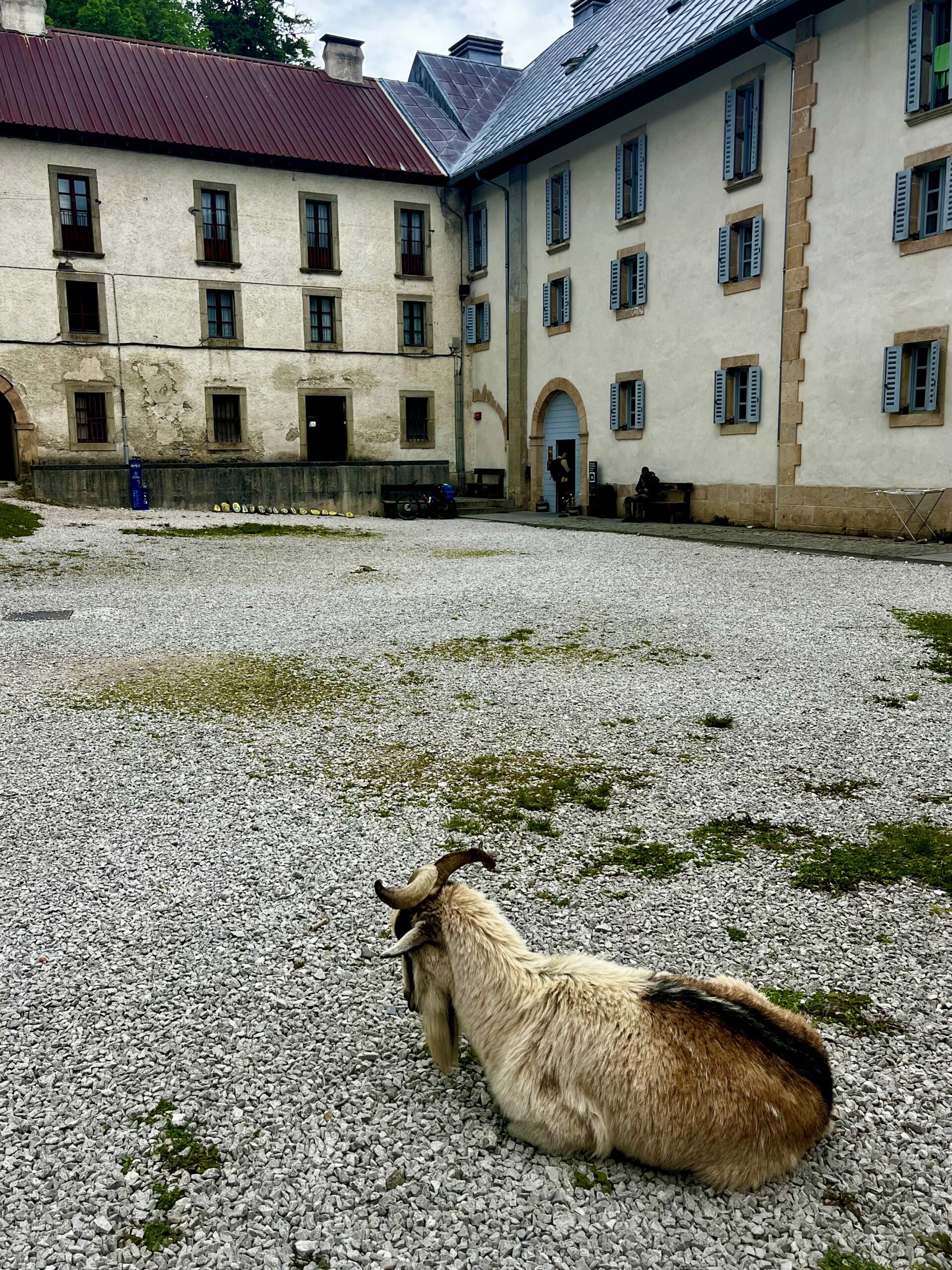
We spent the night in Roncesvalles, staying at the historic pilgrim albergue connected to the monastery that has been welcoming tired Camino walkers since the 1200s. If you’ve never heard the term before, an albergue is essentially a hostel for pilgrims—usually bunk rooms, shared bathrooms, and lots of people comparing sore muscles and blister strategies after a long day on the trail. There was something oddly comforting about sleeping in a place where exhausted travelers have been recovering from this exact journey for more than 800 years.
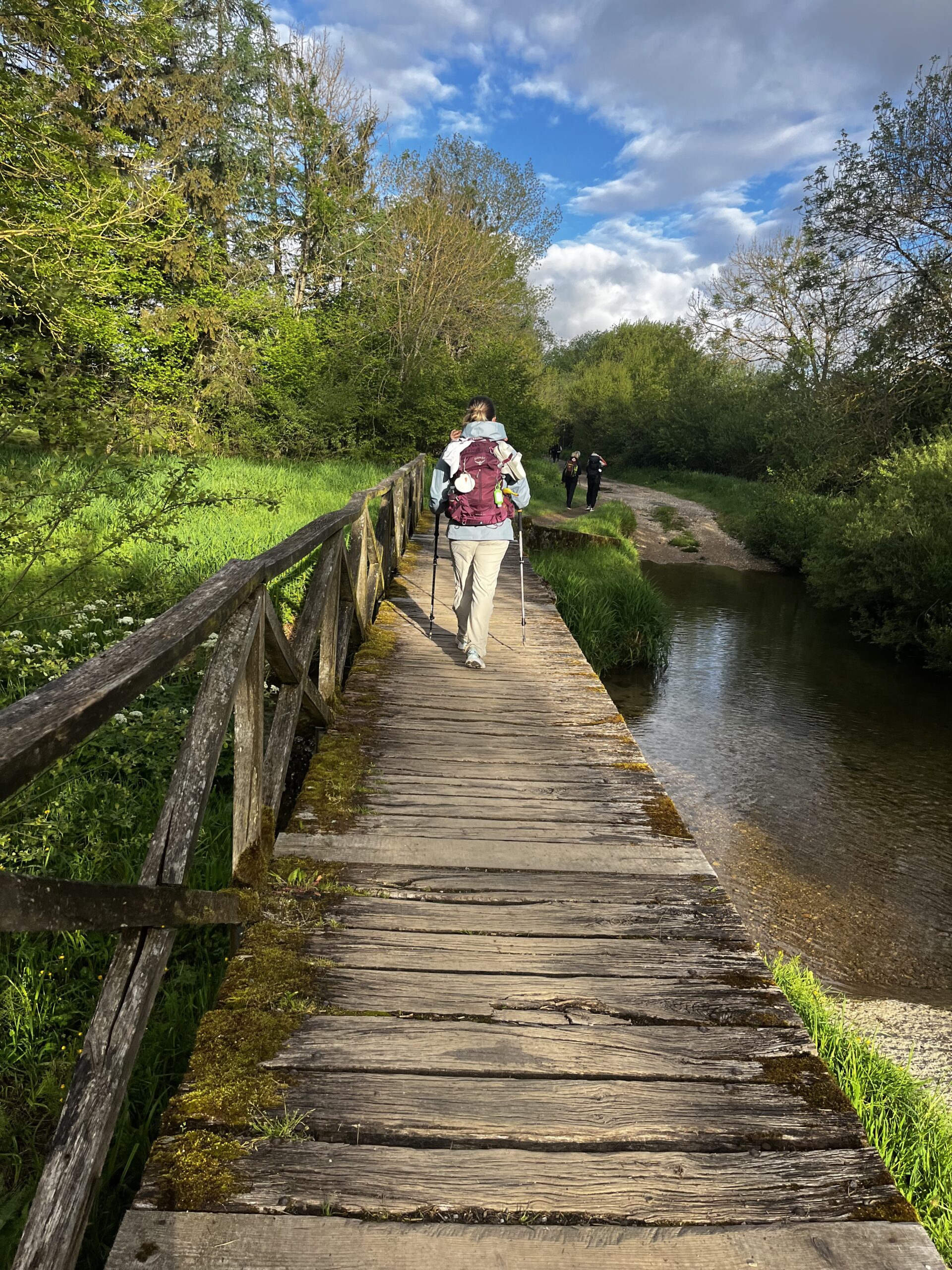
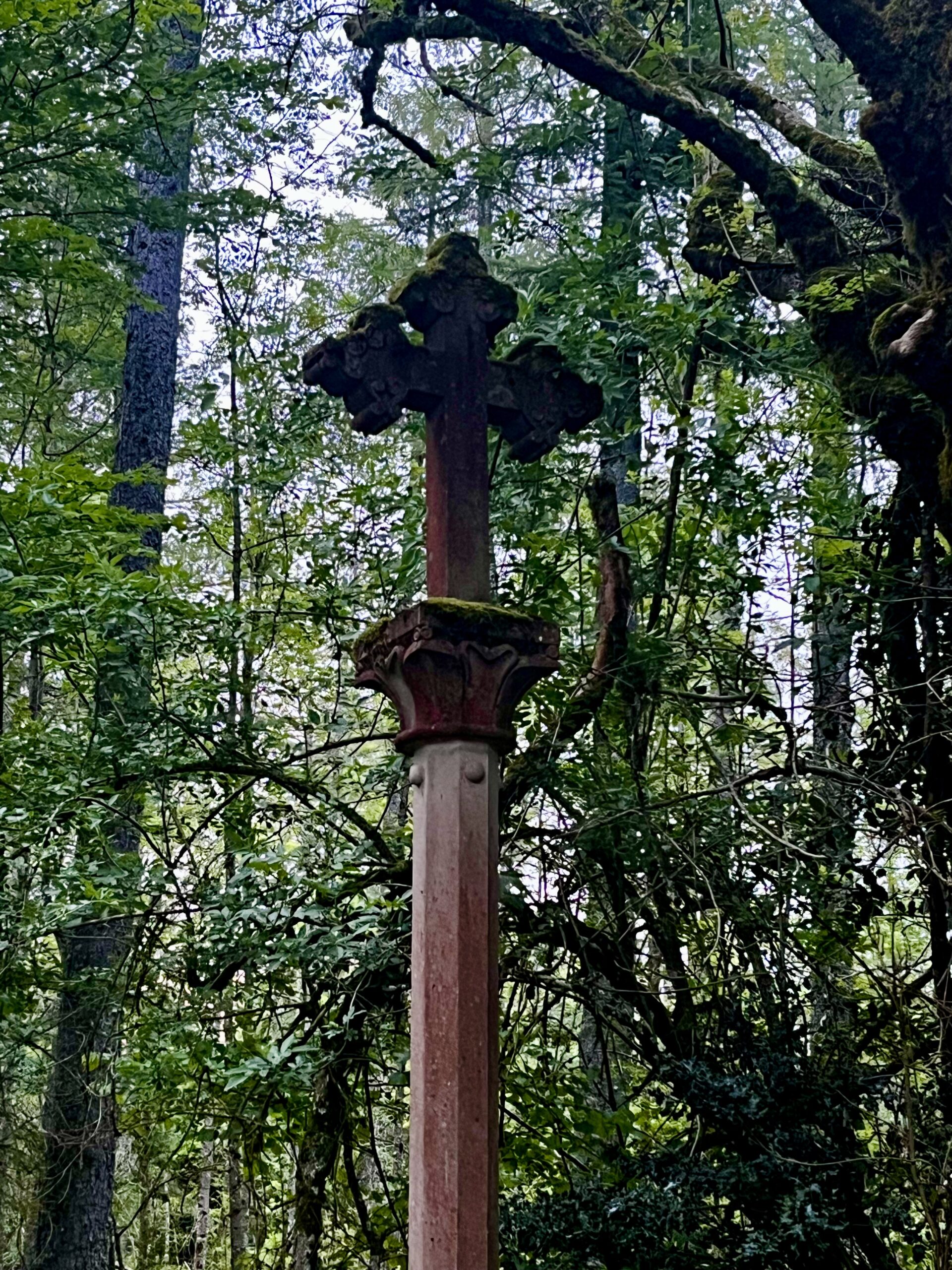
The trail to Zubiri traded dramatic mountain views for quiet forest paths, rolling hills, and tiny villages that felt pulled from another era. It was still plenty of work, but after the brutality of the Pyrenees, it felt like we could finally look around a bit more and actually enjoy where we were.
By the time we rolled into Zubiri, tired but still smiling, it felt like we had officially shifted from “Can we really do this?” to “Okay… maybe we actually can.”
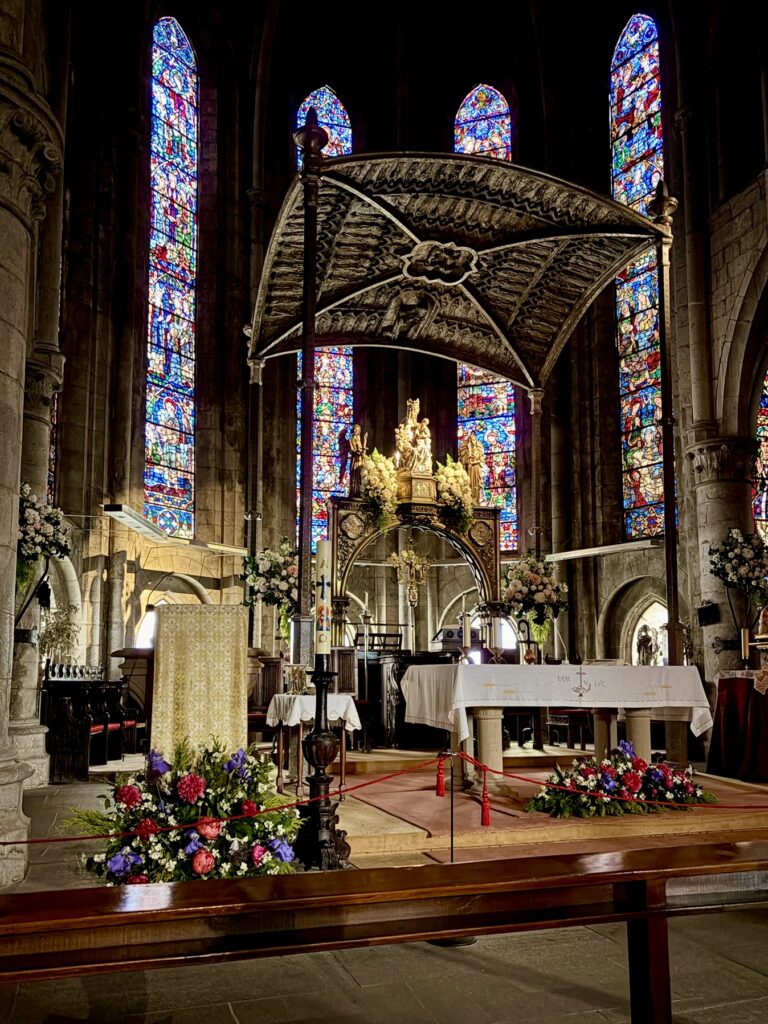
Attended a special “pilgrim” evening mass. Was joined by hikers from over 20 countries
Albergue that used be an old monestary. Today about 45 hikers spend their first night. It even has a goat mascot that sleeps in the courtyard.
By the time we left Zubiri for Pamplona, the daily routine of the Camino was starting to feel surprisingly normal: wake up, grab coffee, and start walking before overthinking the day. The hike into Pamplona covered about 14 miles, which, as it turns out, falls pretty squarely into what would become our Camino sweet spot. Most days ahead would land somewhere in the 13–17 mile range—long enough to feel accomplished, short enough to still have energy left for dinner and exploring (or at least pretending we weren’t exhausted). After surviving Day 1 in the Pyrenees, a 14-mile day somehow started sounding completely reasonable, which feels like the Camino slowly changing your definition of normal.
A City More Than Just Bull Runs
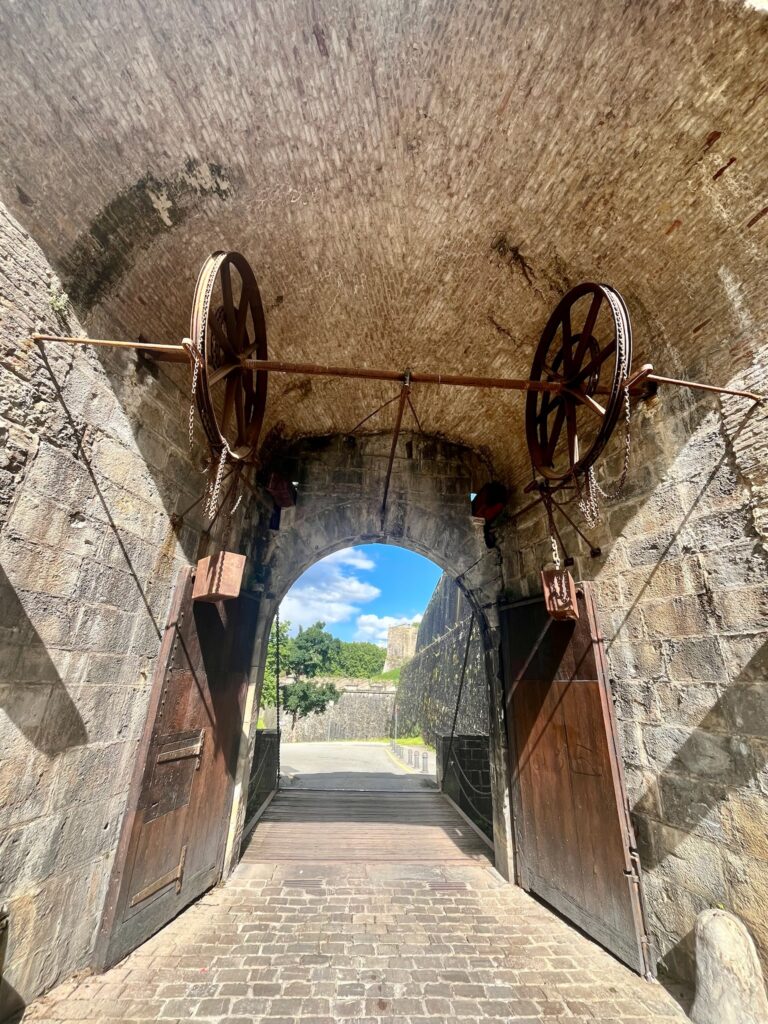
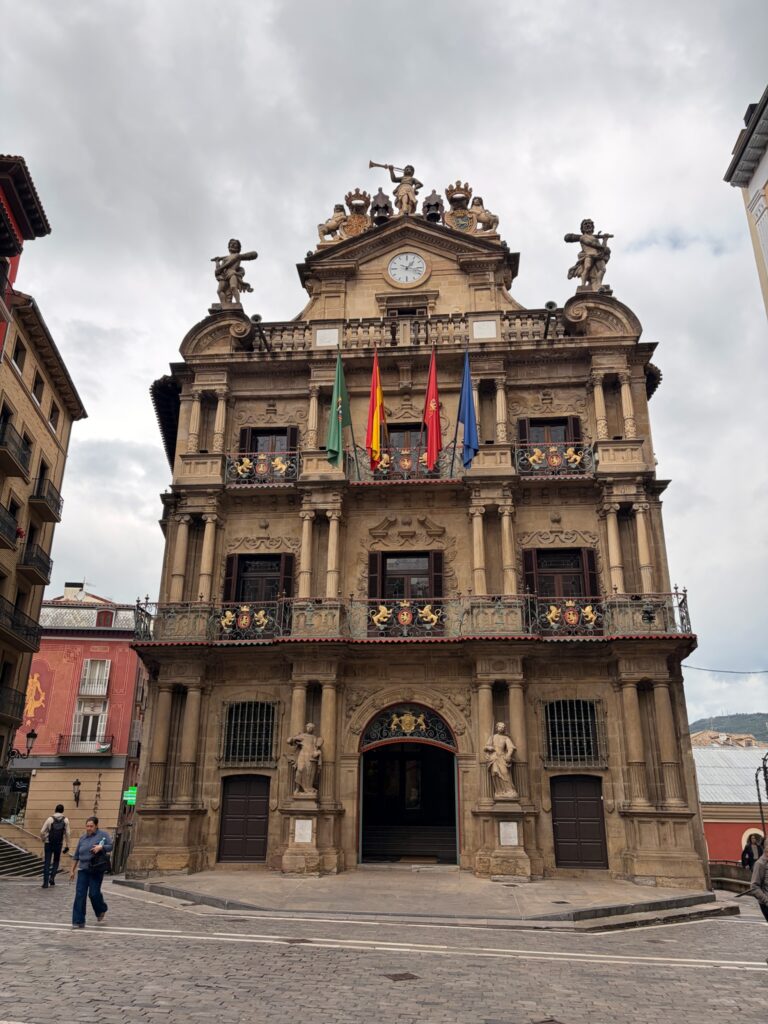
While the majority of the days on the Camino end in sleepy little towns, early on we finished up in Pamplona. The city of of 115,000 might be famous for its adrenaline-fueled Running of the Bulls during the annual San Fermín festival, but there’s a lot more to this northern Spanish city than white outfits and red scarves. Outside of festival season, Pamplona feels relaxed, walkable, and surprisingly local—a place where medieval streets lead to sunny plazas, long lunches somehow turn into evening drinks, and wandering without a plan feels like a perfectly acceptable itinerary. Tucked into the region of Navarre, the city blends old-world charm with an easygoing social energy, making it just as enjoyable for slow travelers as thrill seekers. Whether you’re stopping through on the Camino de Santiago or simply curious about the city beyond the headlines, Pamplona has a way of feeling both historic and refreshingly down to earth.