Wanderlost In Asia

The Camino’s Best Friend: Trail Markers, Shells, and the Art of Finding Your Way – May 13, 2026

There are a lot of things you expect to rely on while walking the Camino de Santiago: good shoes, coffee, baguettes, and tape to tackle blisters.  What I didn’t expect was to become emotionally attached to a painted yellow arrow and a seashell.

At first, Camino trail markers feel purely practical—a quick reassurance that you haven’t accidentally wandered into someone’s backyard or committed to an unplanned 3 mile detour. But after a few days of walking, those familiar symbols become something more. They become comfort. Somewhere between sore feet and early mornings, the shell and arrow quietly become your best friends.

The Yellow Arrow

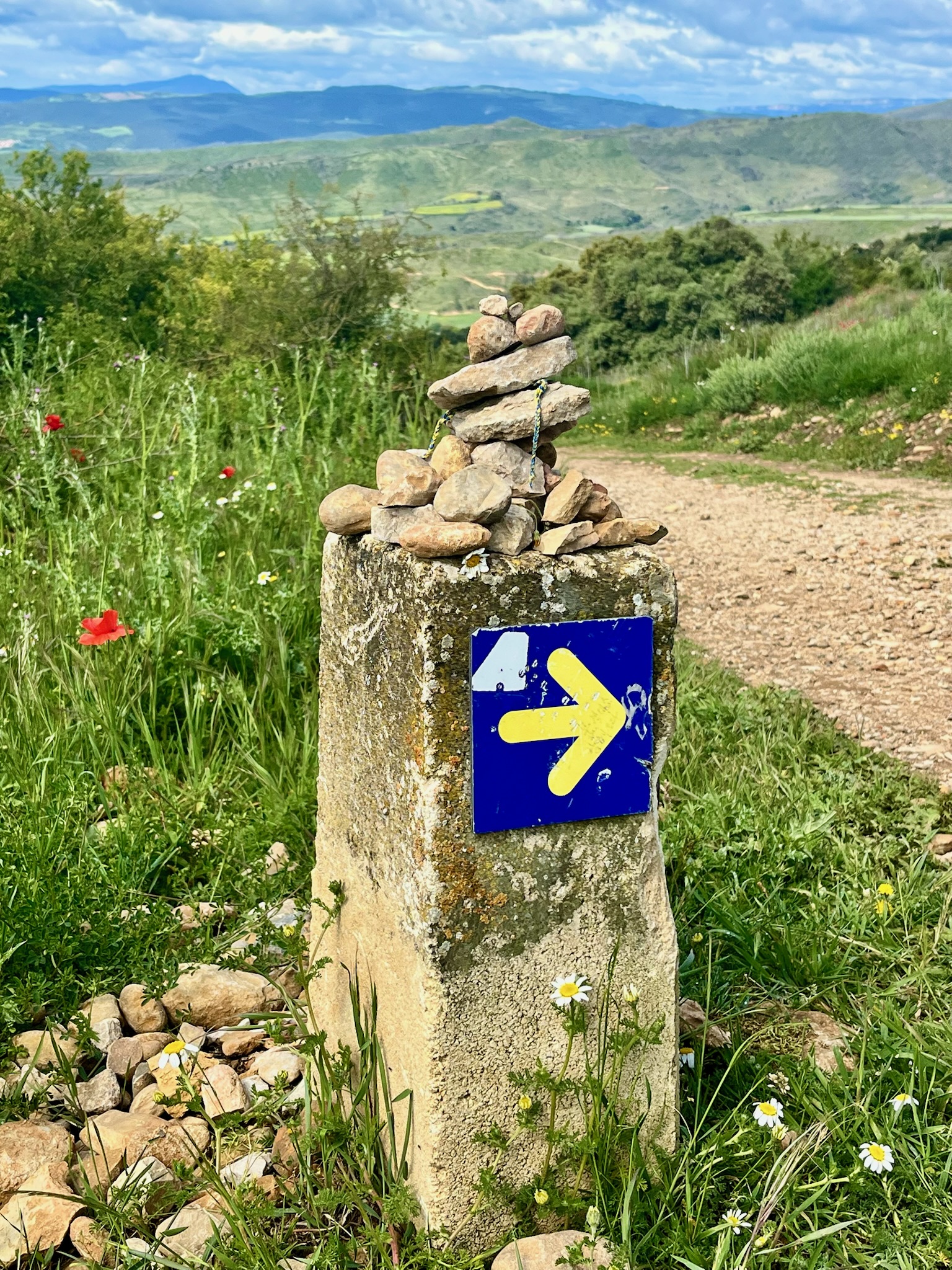
The Camino’s famous yellow arrows are impossible to miss—until suddenly they are.

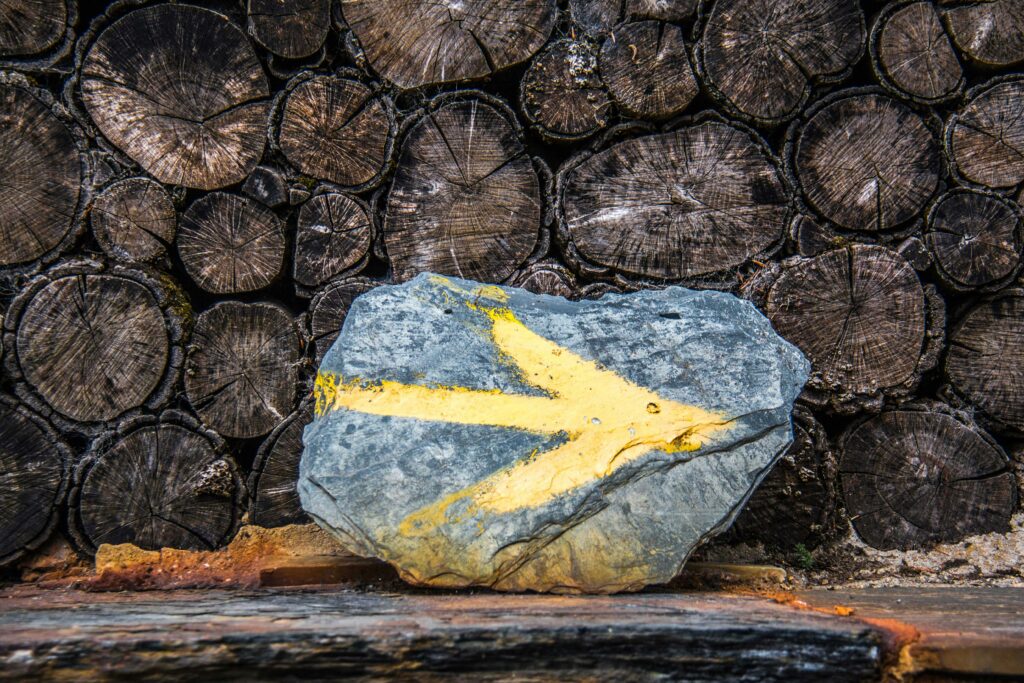
Most days begin with casually following arrows painted on sidewalks, walls, trees, telephone poles, and the occasional suspicious-looking rock. But if you go too long without seeing one, panic sets in quickly. Did I miss a turn? 

The yellow arrows became so trusted that I found myself scanning every corner without even thinking about it. Somewhere along the way, I realized I trusted random yellow spray paint more than my phone.

Interestingly, the arrows weren’t always part of the Camino. In the 1980s, a Spanish priest named Elías Valiña helped revive the route and is widely credited with painting many of the first yellow arrows to guide pilgrims. Decades later, his simple idea continues to guide thousands of tired walkers toward Santiago.

IMG_6666
Close-up of a painted rock with a yellow arrow placed before a stacked timber backdrop.
IMG_6909
IMG_6848

The Shell:  More Than a Symbol

If the yellow arrow is the Camino’s GPS, the scallop shell is its soul.

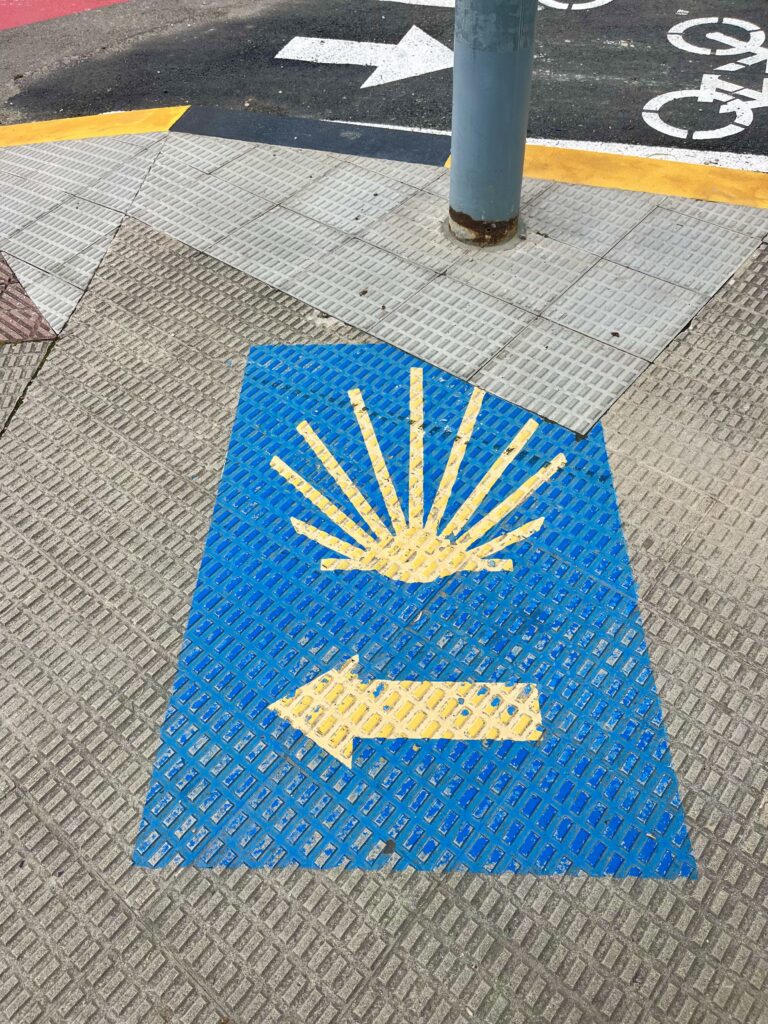
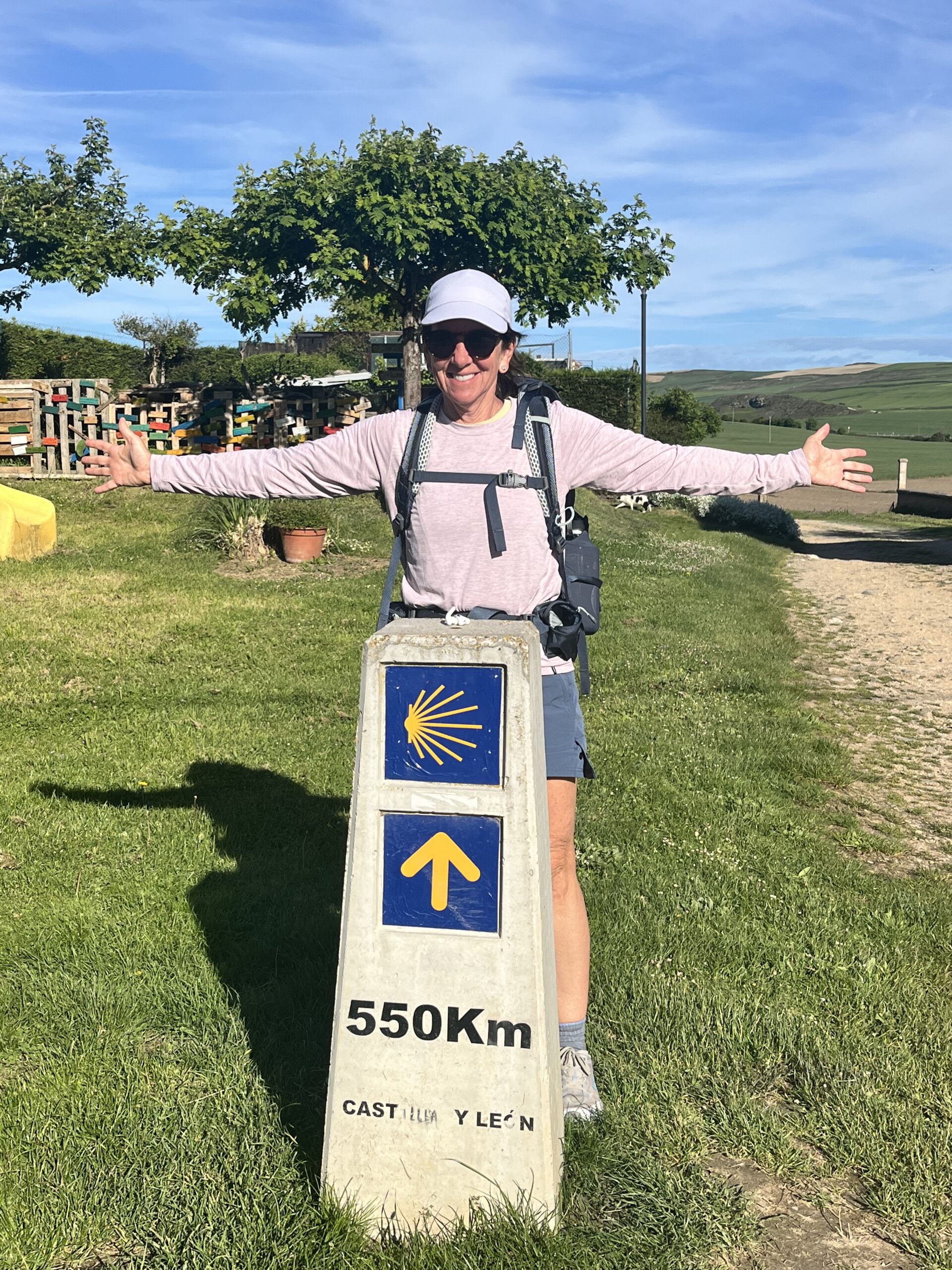
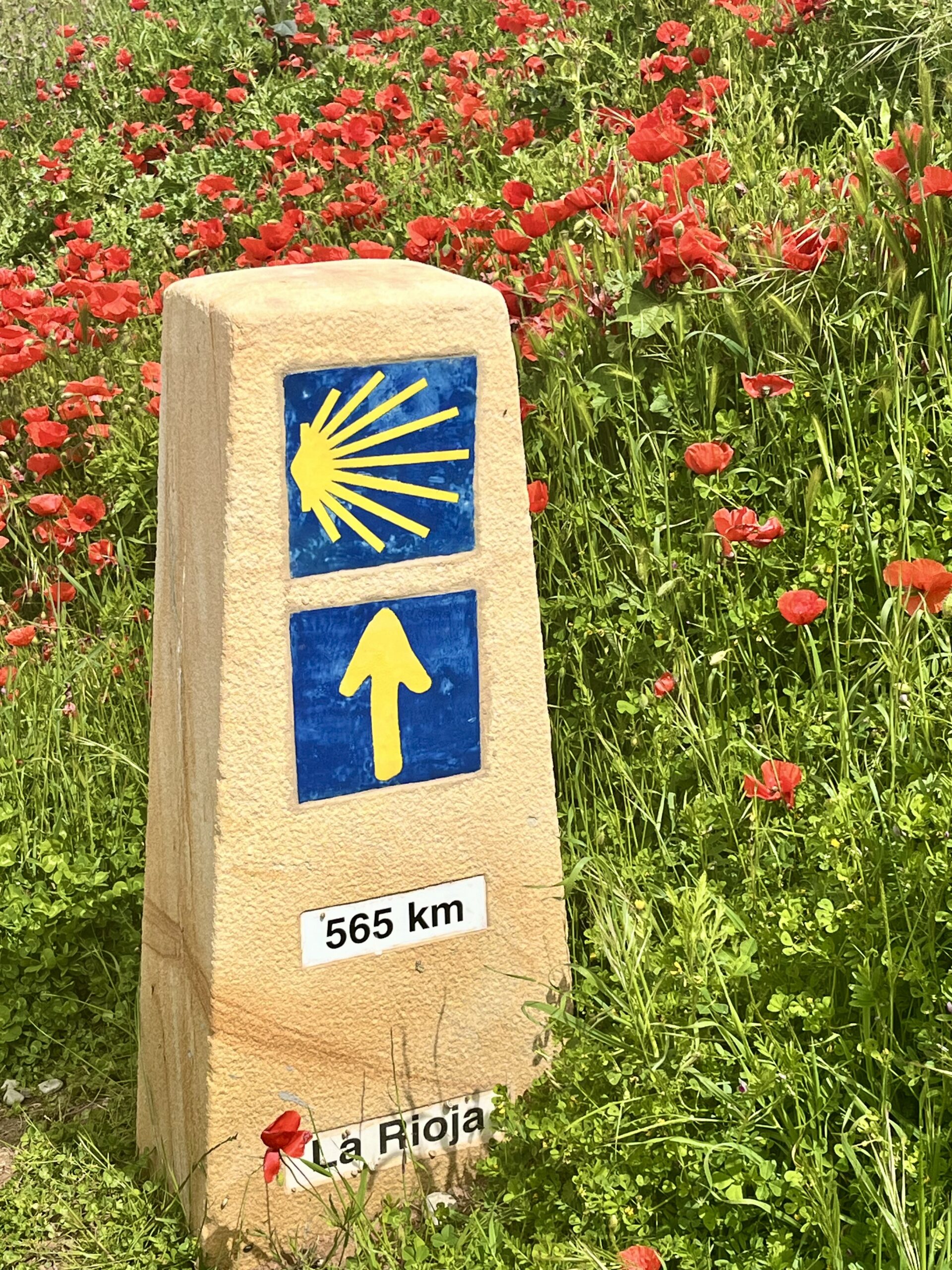
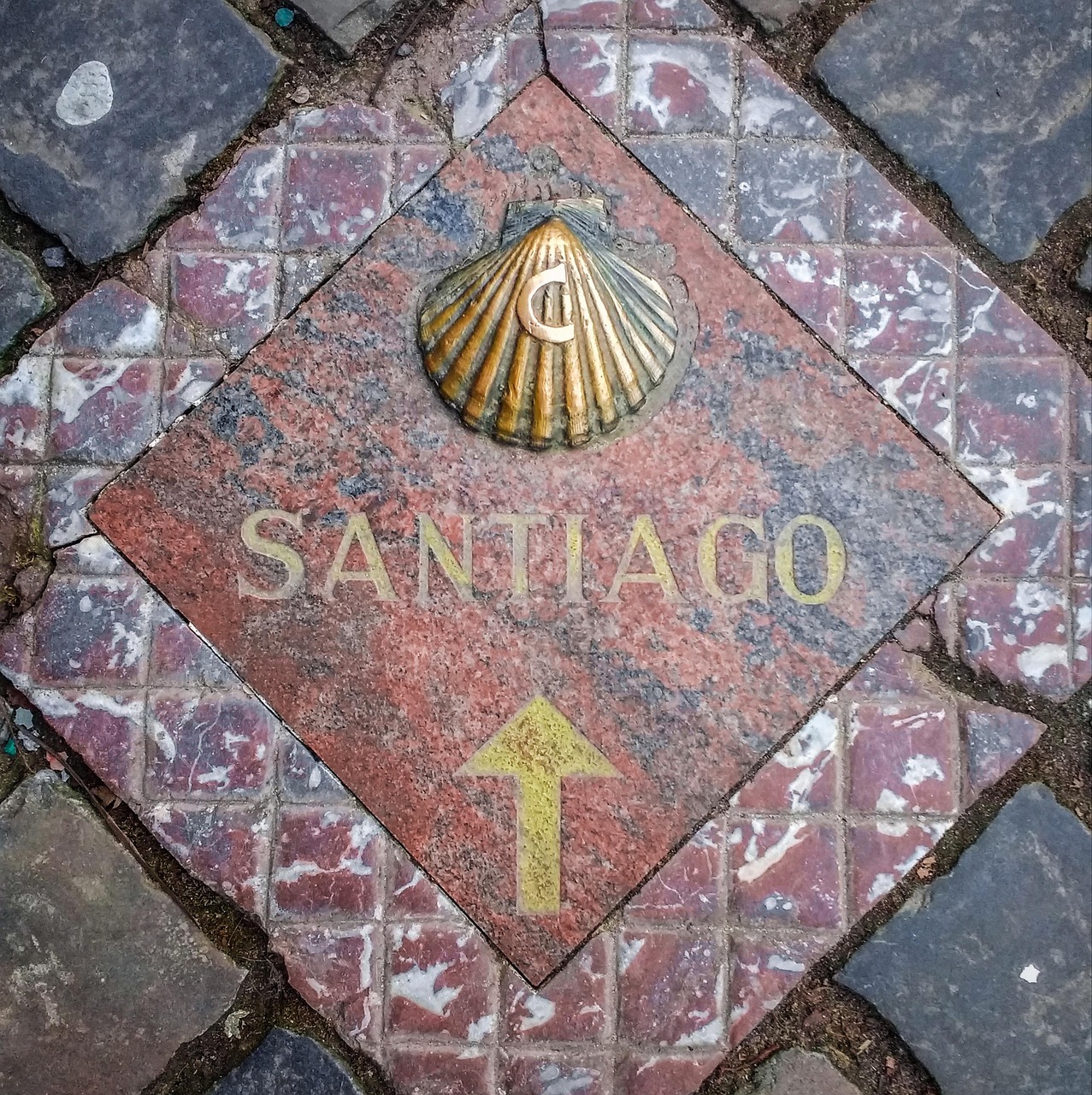
You see it everywhere—embedded into sidewalks, carved into stone markers, hanging outside hostels, painted on café windows, and clipped onto backpacks swaying with every step.

The shell became connected to the Camino centuries ago after pilgrims reached the coast of Galicia and collected scallop shells as proof they had completed the pilgrimage. Over time, the shell became the universal symbol of Saint James and the Camino itself.

Like many things on the Camino, the shell comes with layers of symbolism. A fellow hiker told me that there’s meaning in the shell’s ridges. The lines spread outward in different directions but eventually meet at one point—much like the many Camino routes across Europe that ultimately lead to Santiago.

The Backpack Badge of Honor

Long before conversations begin, backpacks tell stories on the Camino.

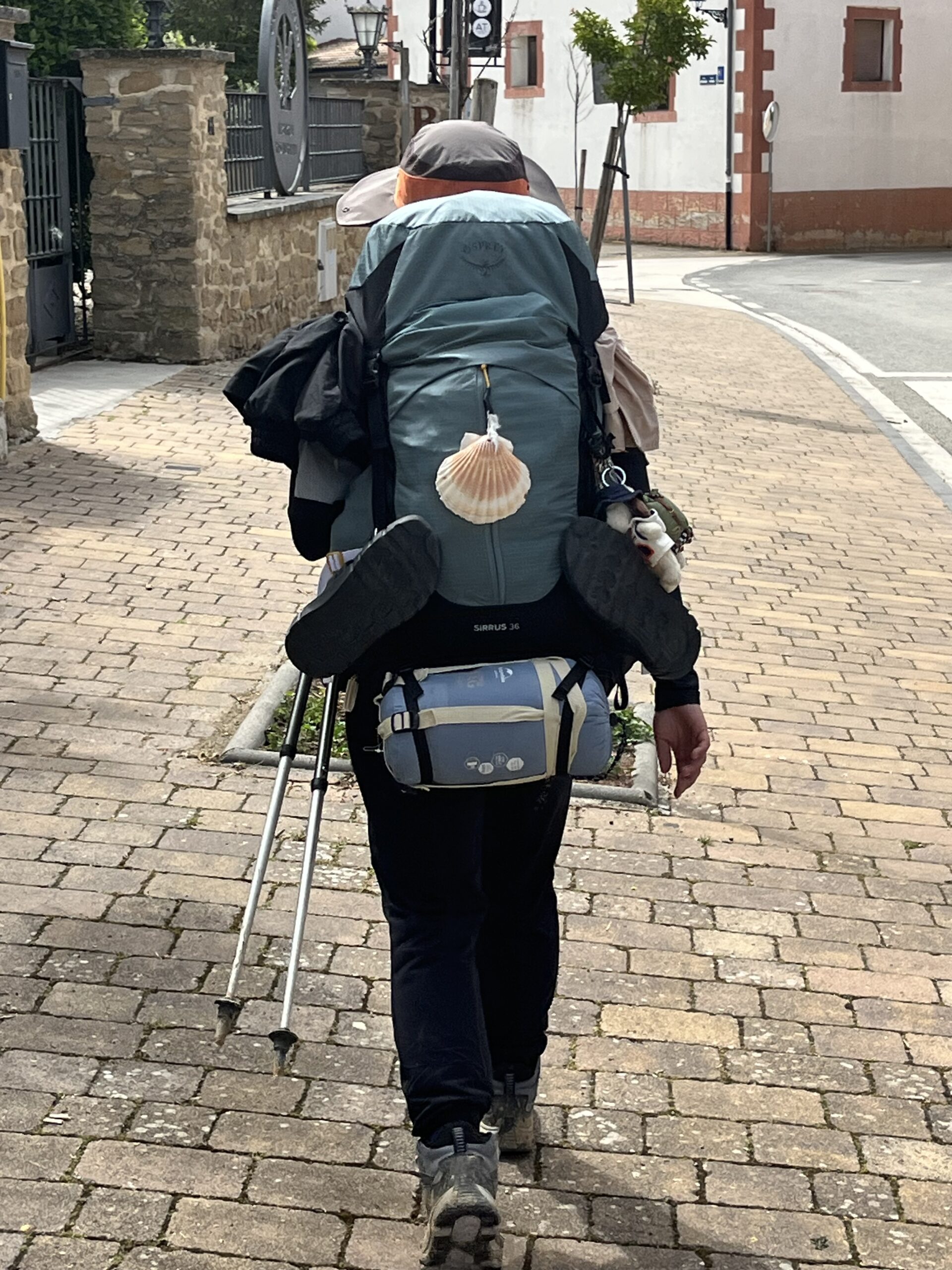
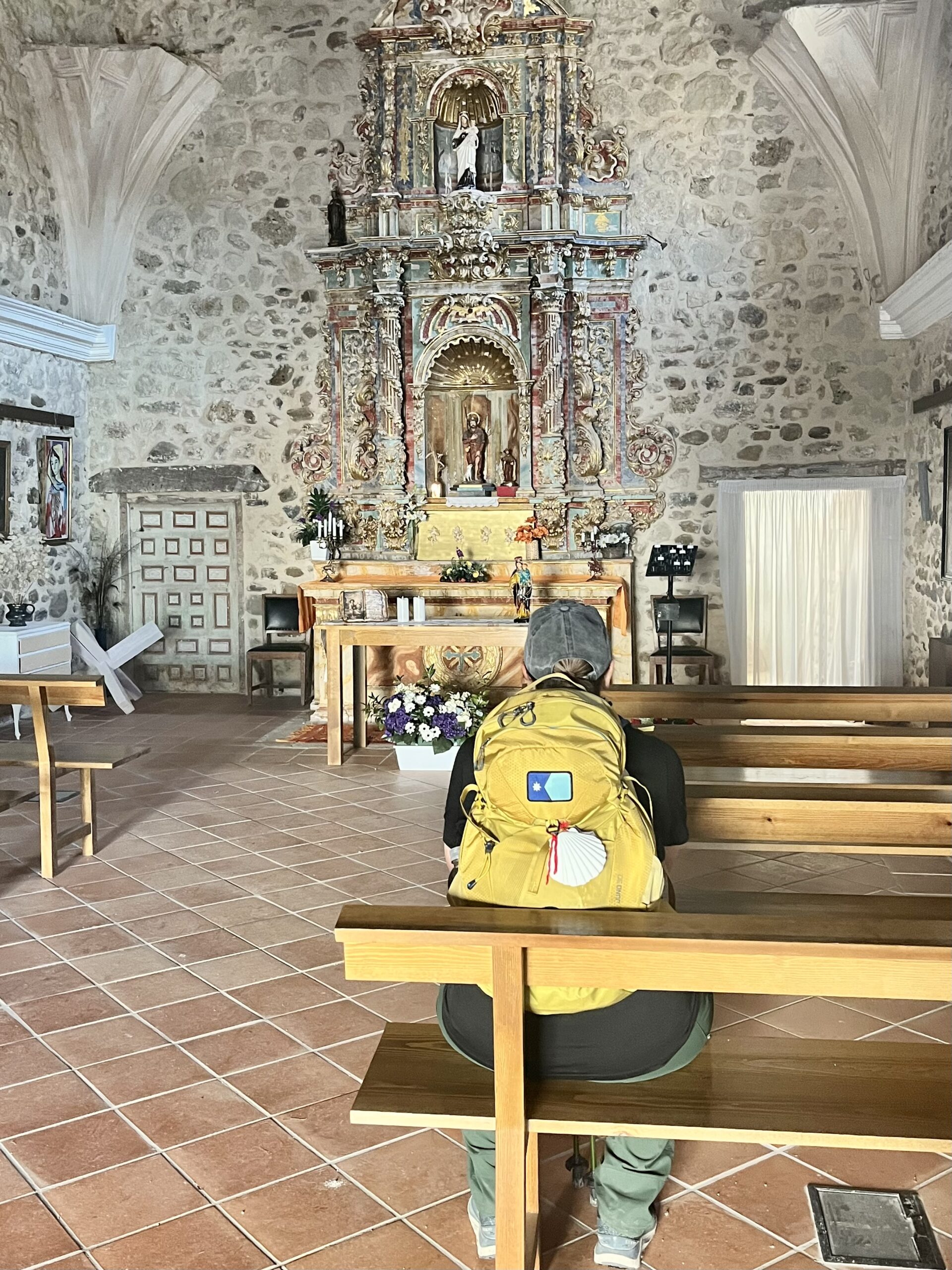
Some are sleek and practical. Others look like a traveling souvenir collection, decorated with dangling shells, country flags, pins and charms.   You can usually spot the Camino veterans based on their backpacks decorated with pride from past Camino hikes.   

The scallop shell is almost universal. You hear them before you see them, softly clacking against trekking poles or backpacks as pilgrims pass.

Traditionally, pilgrims earned their shell after completing the journey, bringing one home as proof of their pilgrimage. Today, most walkers begin the Camino with one already attached to their pack—but I’m holding out to earn my shell until the end of the 500 miles! 
IMG_6670
IMG_6919
tile, signpost, santiago, santiago de compostella, compostella, walking path, arrow, pilgrimage, hiking, direction, shell, saint shell, santiago, santiago, santiago, santiago, santiago, pilgrimage

Leave a Comment

Your email address will not be published. Required fields are marked *