Before starting the Camino de Santiago, I decided the smartest thing I could do was take a few relaxing rest days in San Sebastián.
At least, that was the plan.
Somehow those “rest days” turned into walking miles and miles every single day while wandering beaches, climbing hills, getting lost in the old town, and stopping every twenty feet to check out another new pintxo. Turns out, San Sebastián is not the kind of place where you sit still for very long.
My First Time in San Sebastián
This was my first visit to San Sebastián. Every traveler seems to have a story about this little city tucked into Spain’s northern Basque coast. People almost always talk about the food and others rave about the beaches, the character, or the laid-back lifestyle. My expectations were pretty high.
There’s an immediate charm to San Sebastián that is hard to explain until you’re there. It feels sophisticated without trying too hard. Grand historic buildings sit beside surf culture and bustling tapas bars. One minute you’re watching waves crash into the coastline, and the next you’re squeezed shoulder-to-shoulder in a tiny bar eating one of the best bites of food.
A Little History Behind the Beauty
San Sebastián — or Donostia in the Basque language — has a long history dating back centuries as an important coastal town in northern Spain. Over time it became a favorite retreat for Spanish royalty and aristocrats, especially during the late 19th century, which helped shape the elegant architecture and seaside promenades the city is known for today.
Even now, there’s this fascinating blend of old-world glamour and local Basque culture. The city feels polished, but never pretentious. And everywhere you look, the ocean is part of the experience.
The Highlights
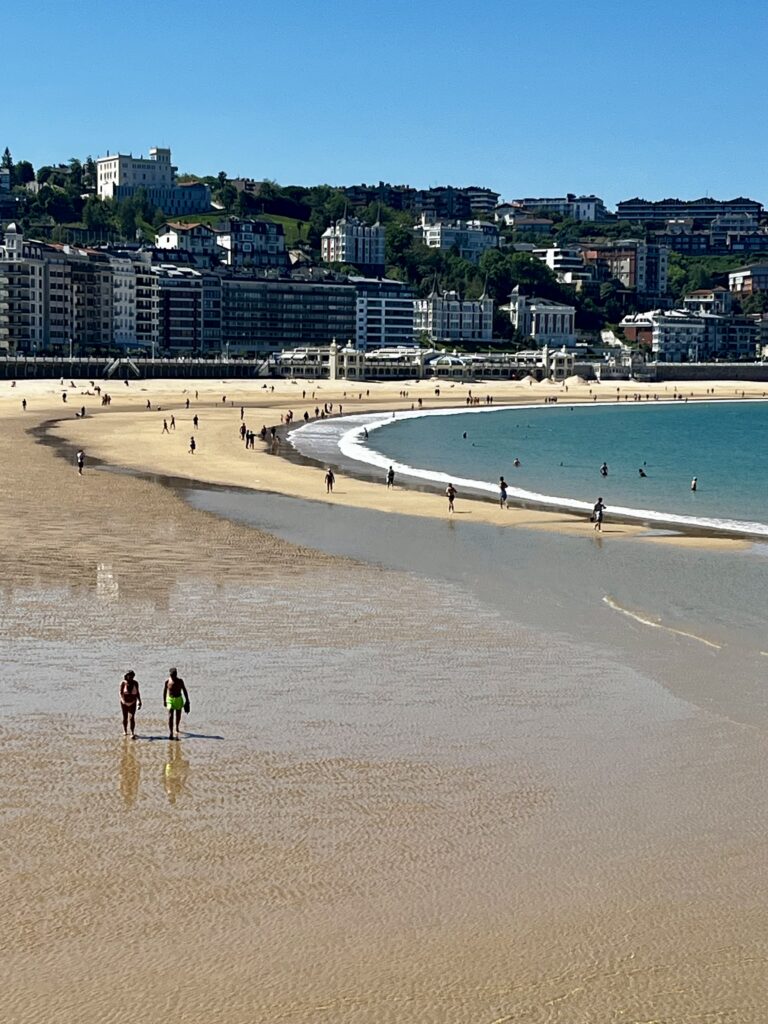
Of course, the famous La Concha Beach lives up to the hype. The curved bay is stunning from every angle, especially with the green hills surrounding the city. I found myself walking along the promenade constantly, even when I had nowhere to be.
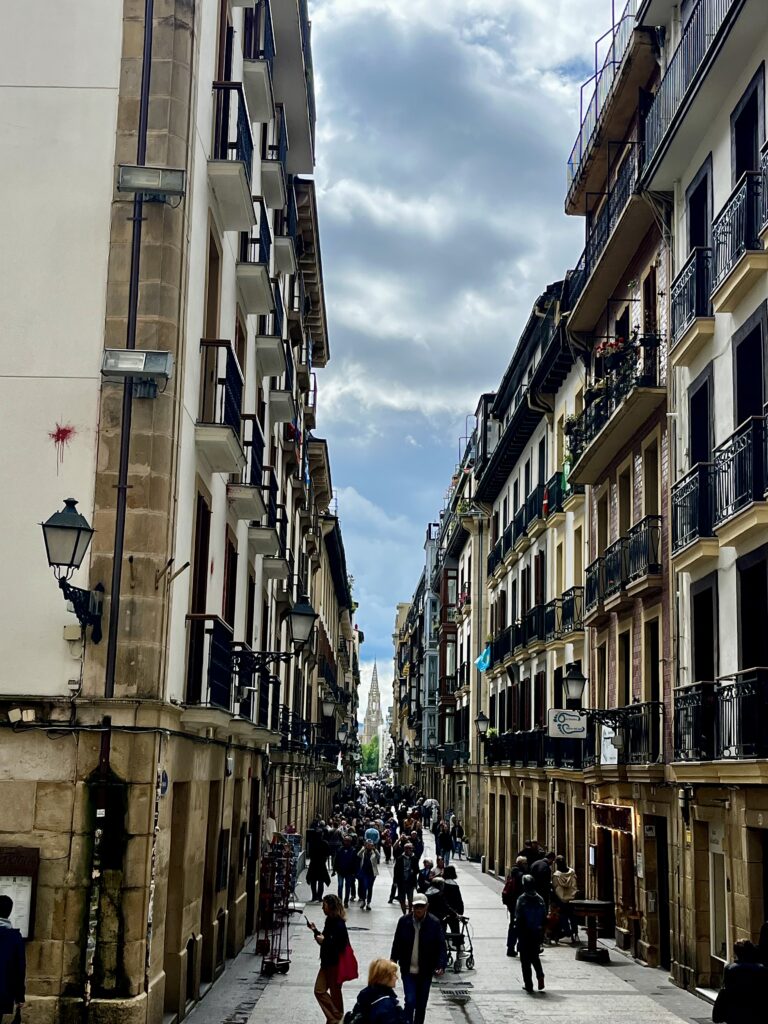
Then there’s the old town, packed with narrow streets, pintxo bars, tiny shops, and endless energy. It’s impossible not to wander aimlessly there for hours.
Every viewpoint turns into another detour. Every staircase leads to another overlook. Every corner seems to reveal another reason to keep exploring. So much for resting my legs before the Camino.
The Food Scene Deserves Every Bit of the Hype
I had heard people rave about the food in San Sebastián for years, but I still wasn’t prepared for just how serious this city is about eating well.
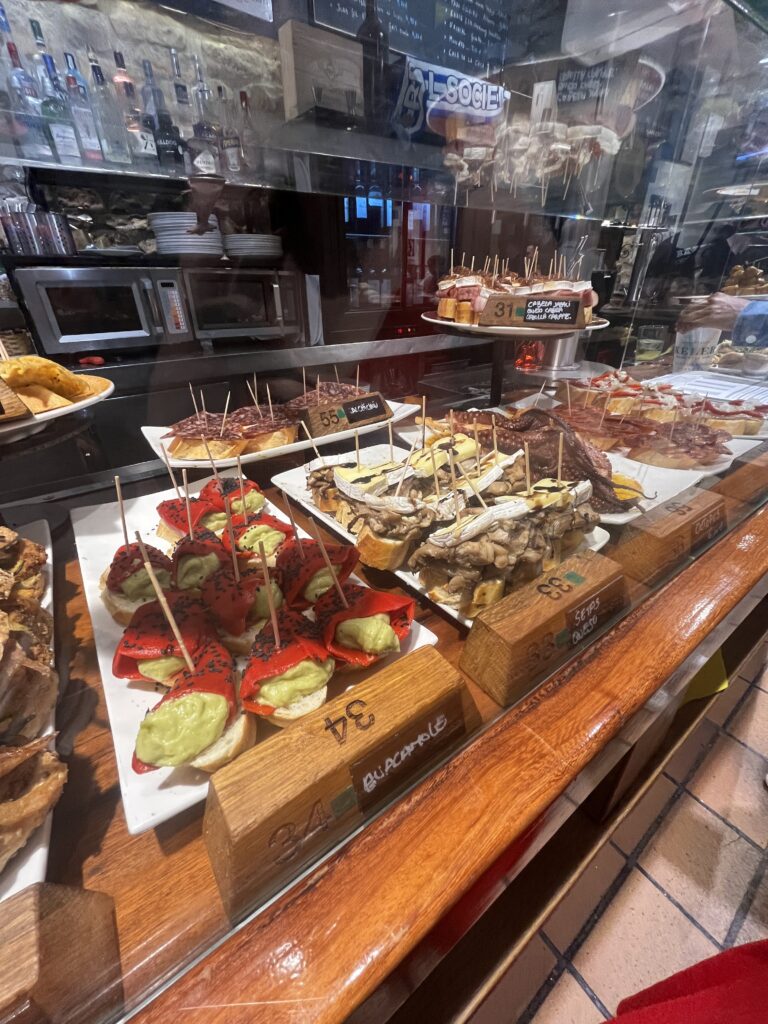
The pintxo culture alone is incredible. Bars overflow with tiny bites stacked across counters like edible artwork. You bounce from place to place grabbing whatever looks best — seafood, cured meats, grilled vegetables, creamy cheeses, crusty bread, and things you can’t even identify but absolutely need to try.
Understanding San Sebastián Through Food
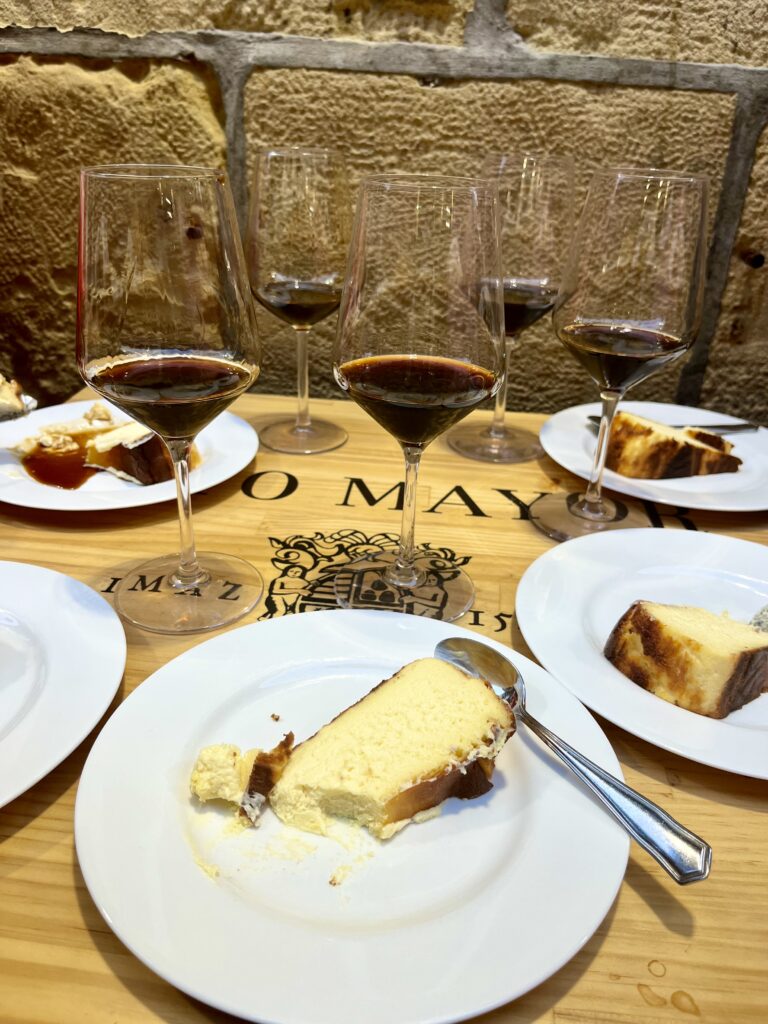
One of our favorite experiences in San Sebastián was taking a Devour food tour, which ended up being about much more than just eating pintxos. Over the course of the evening, we visited five local spots we never would have found on our own, each with its own story and connection to the city’s history. Between bites, we learned more about the Basque identity, how San Sebastián evolved into one of Europe’s food capitals, and why food feels so deeply tied to everyday life here.
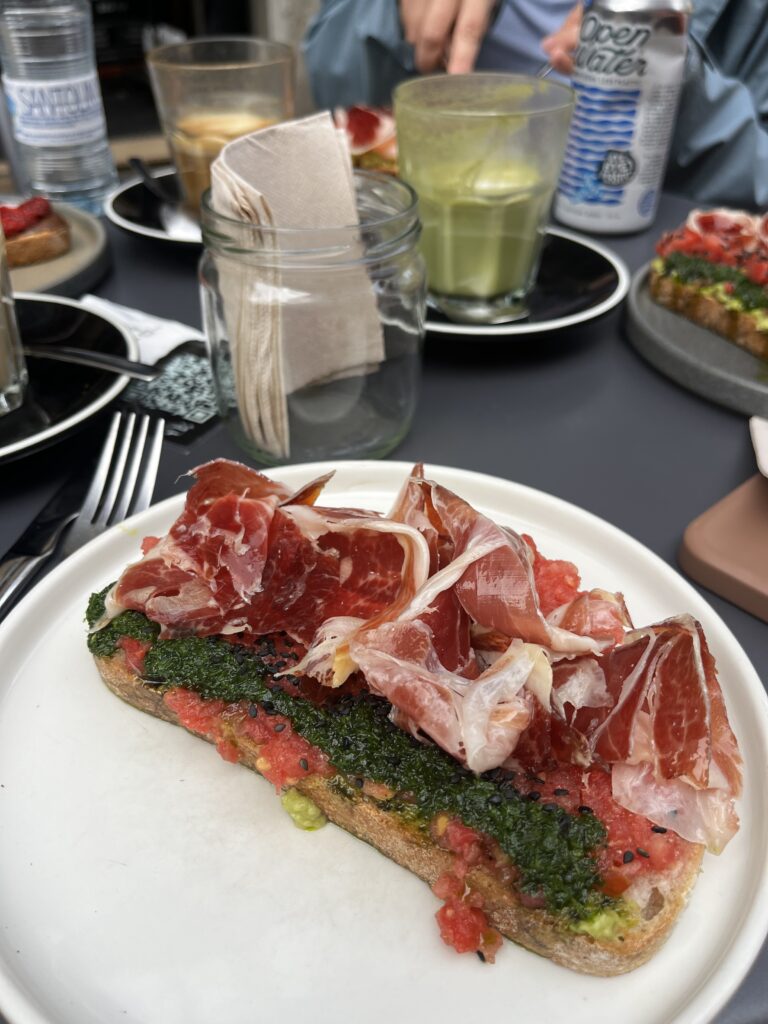
The tour struck a great balance between history and food, weaving in tastings of regional Rioja wines alongside some unforgettable bites—from silky Iberian ham to pintxos at a third-generation family-run restaurant that felt worlds away from the more tourist-heavy spots. We finished, fittingly, with Basque burnt cheesecake, rich and caramelized in a way that immediately made sense of why it has become famous far beyond Spain.
The Perfect Camino Preparation
Looking back, San Sebastián ended up being the ideal transition into the Camino experience.
It gave me a chance to visit an amazing city that has long been on my list of places to see. Even though I came intending to rest, I naturally spent my days walking everywhere — along the coast, through the hills, across the old town, and from pintxo bar to pintxo bar.
Turns out that’s probably the best kind of Camino training there is. Good food. Long walks. Beautiful scenery. A slower pace of life.
Not a bad way to begin an adventure.