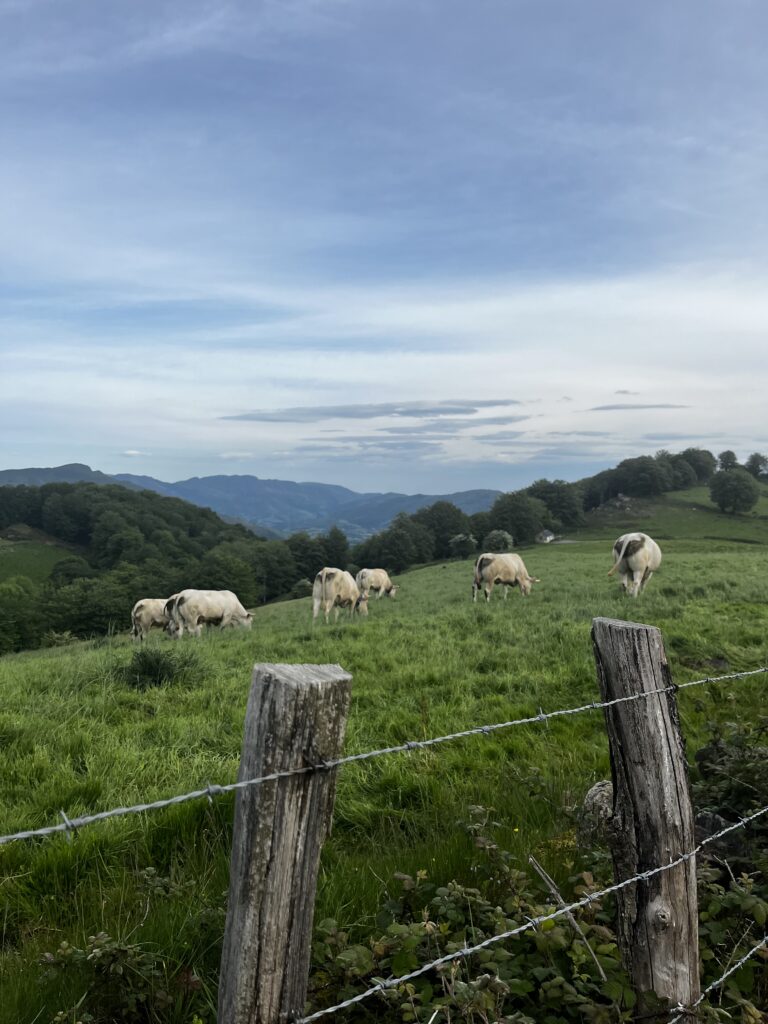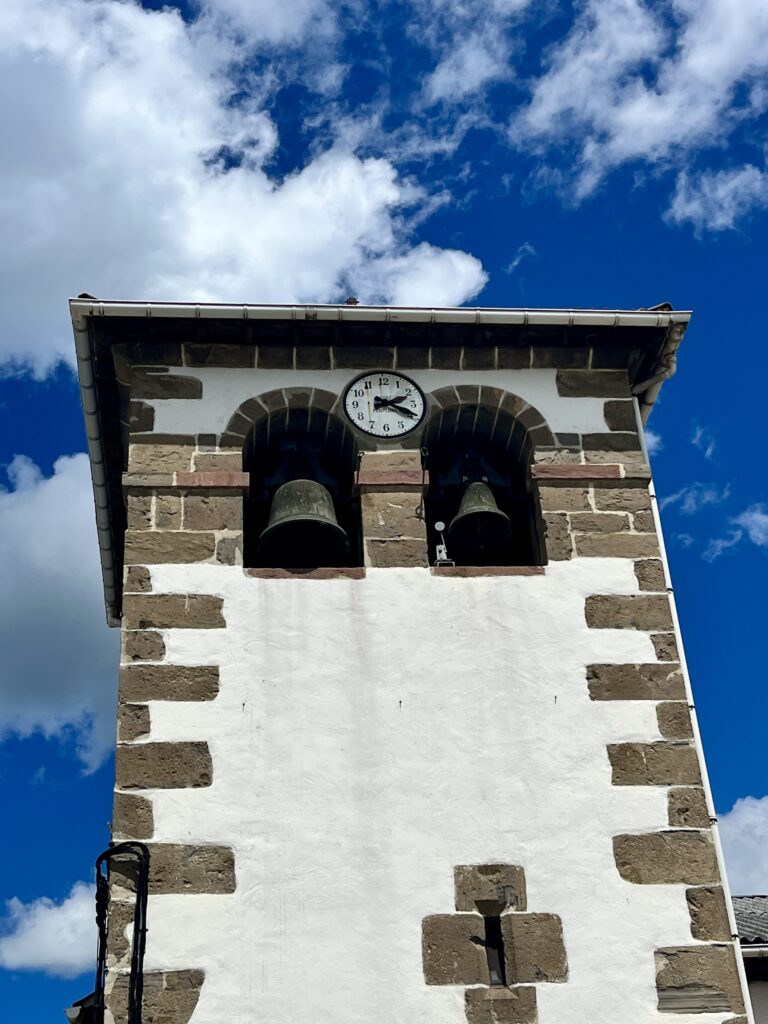
Every day on the Camino, you follow yellow arrows, gravel paths, and roads through the Spanish countryside. But under your feet is something much older—a path shaped by over a thousand years of stories, faith, and history. Long before our backpacks and muddy hiking shoes, this was a journey people walked for reasons far deeper than a cool adventure.
The origins of the Camino de Santiago trace back to the 9th century, when the remains of Saint James were said to have been discovered in what is now Santiago de Compostela. News of the discovery spread quickly across medieval Europe, and the site soon became one of the most important Christian pilgrimage destinations in the world. For centuries, people set out on foot from their homes—sometimes hundreds or even thousands of miles away—drawn by faith, the hope of forgiveness, or the need for a new beginning…maybe not that different than why many hike today.
As the number of pilgrims grew, so did the Camino itself. During the Middle Ages, it evolved into a vast network of routes stretching across Europe, supported by an entire infrastructure built to serve those walking it. Churches, monasteries, hospitals, and bridges were constructed along the way, many of which still stand today. The Camino became one of the earliest organized travel experiences in Europe.
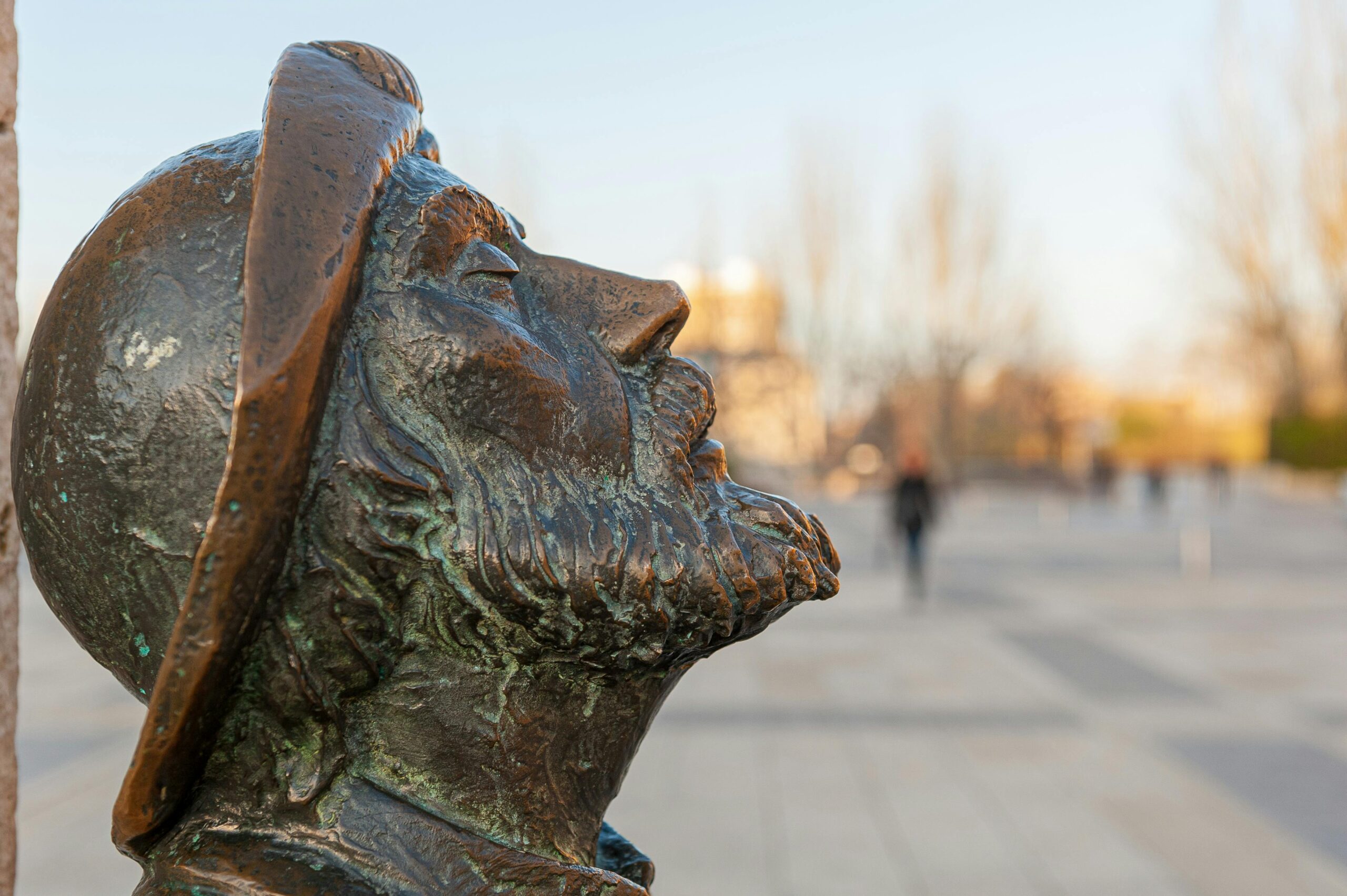
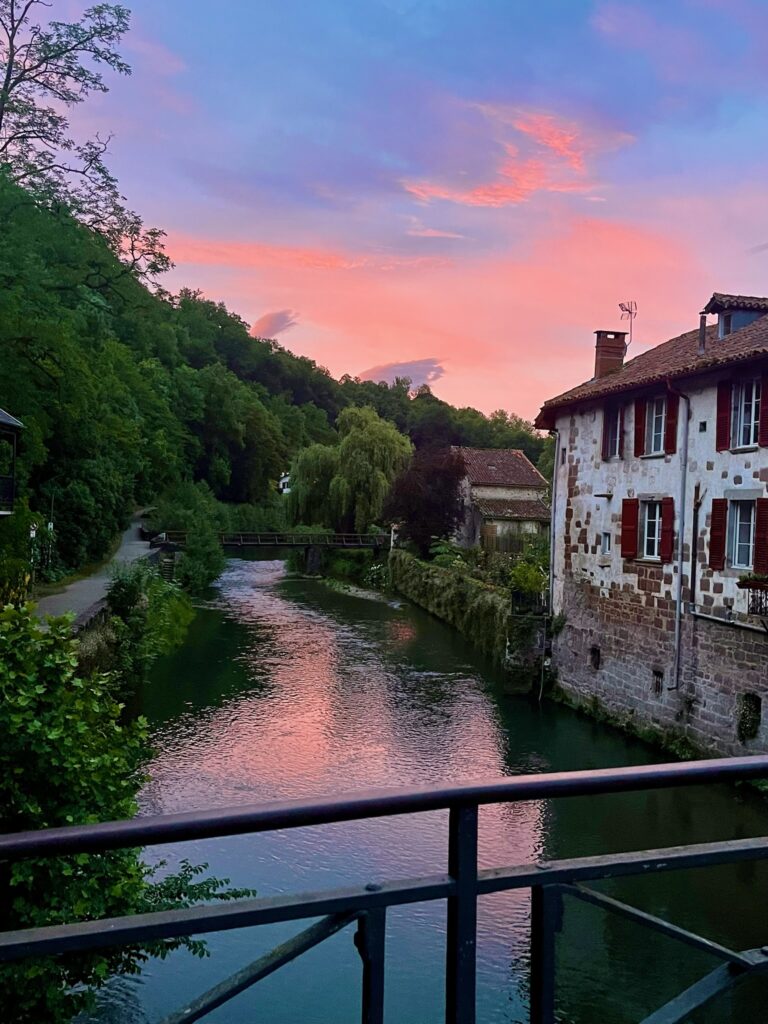
The story behind the path millions have followed…
The revival of the Camino de Santiago didn’t happen all at once, but slowly, over the late 20th century. Local communities and volunteers began restoring the route, marking it with the now-iconic yellow arrows that guide pilgrims today. Support from organizations like UNESCO helped preserve its cultural significance, while a growing number of international travelers started to rediscover it—not just as a religious pilgrimage, but as something more personal.
Today, the Camino means different things to different people. Some walk it for spiritual reasons, continuing a tradition that dates back centuries. Others come looking for space—to think, to reset, or to work through something in their lives. And some are simply drawn by the idea of a long-distance walk through Spain, with a rhythm that feels very different from everyday life.
In that way, the Camino hasn’t really changed—it’s just expanded. The reasons for walking may be more varied now, but the experience still carries the same underlying thread: movement, reflection, and a sense of shared direction. And maybe that’s what makes the history of the Camino de Santiago feel different from other places. It’s not something you observe from the outside—it’s something you step into. It shows up in the towns that have welcomed pilgrims for generations, in the simplicity of walking each day, and in the quiet connections formed along the way.