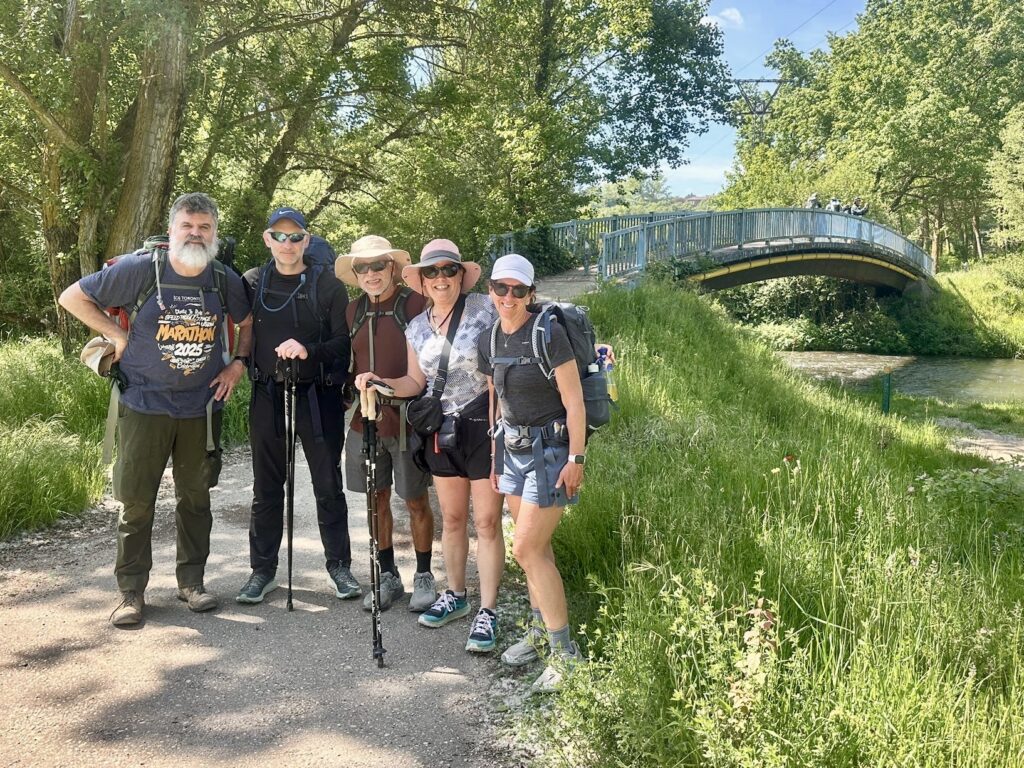
One question I kept coming back to when I was preparing for the Camino was this: what kind of person voluntarily signs up to walk hundreds of miles, sleep in bunk beds with strangers, and risk daily blister?
As it turns out: all kinds of people.
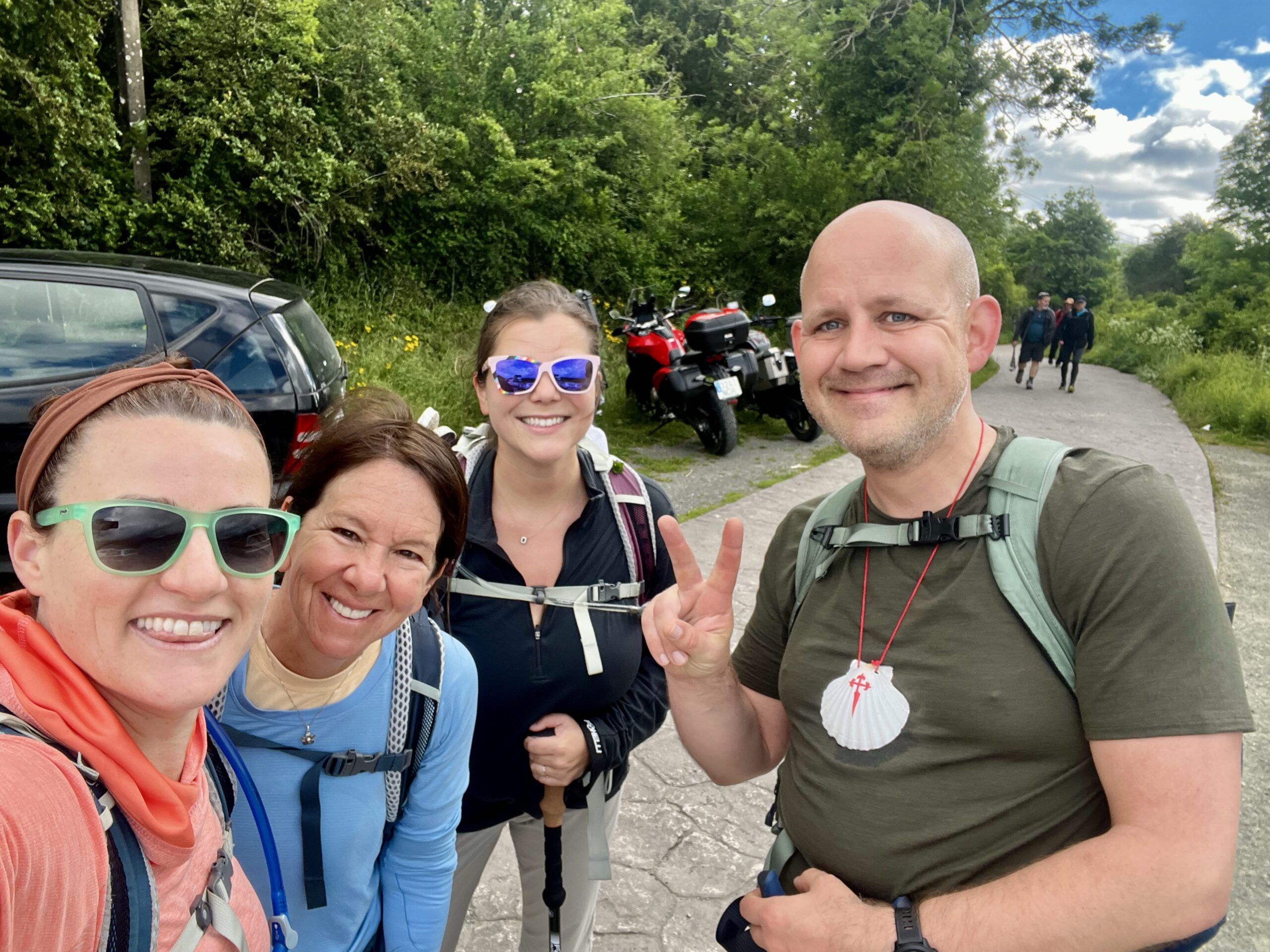
Before starting, I imagined the Camino crowd would skew toward hardcore hikers or very spiritual pilgrims. Instead, it felt like someone had gathered people from completely different lives and dropped them onto the same trail with Osprey backpacks and hiking poles.
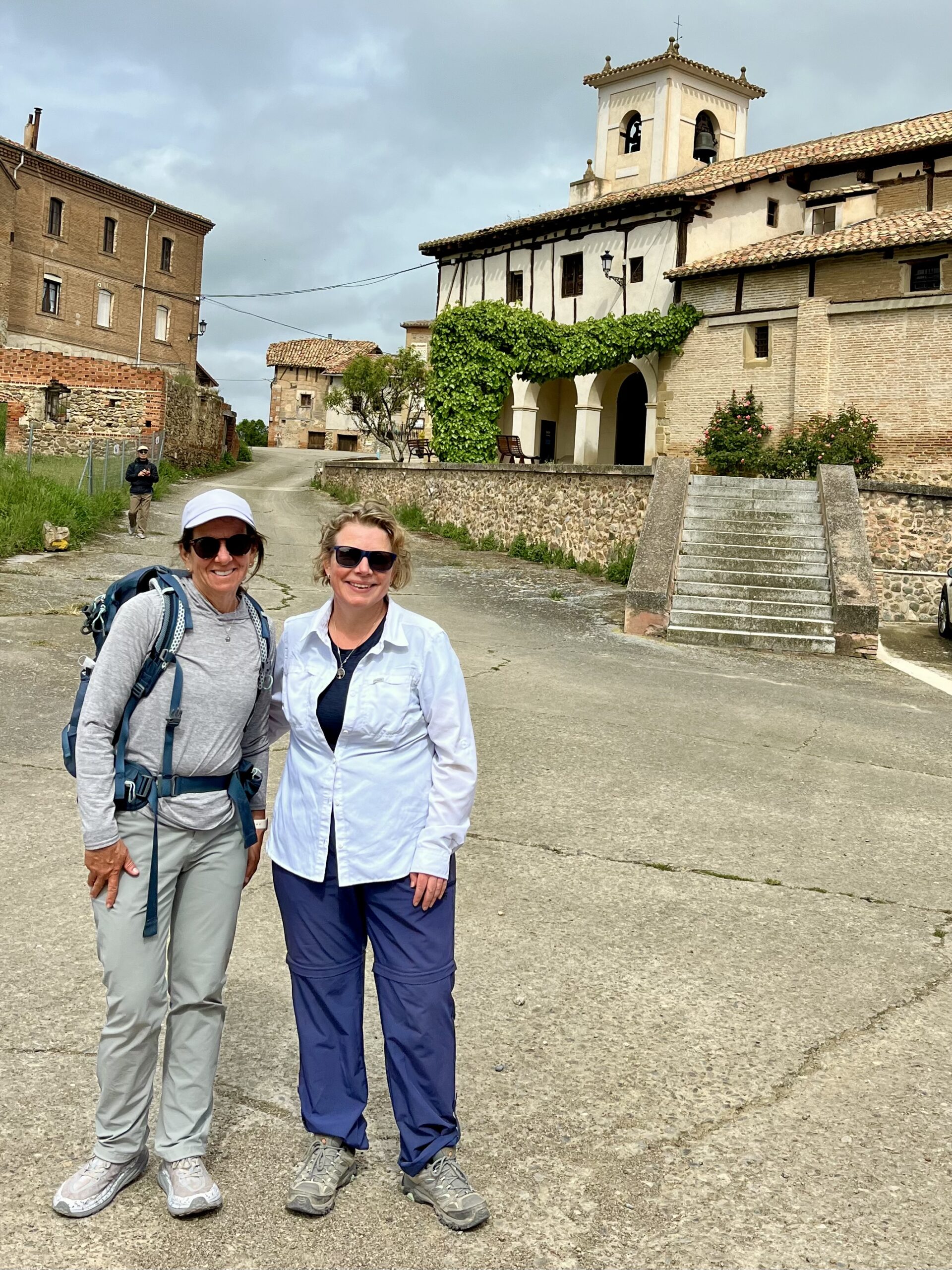
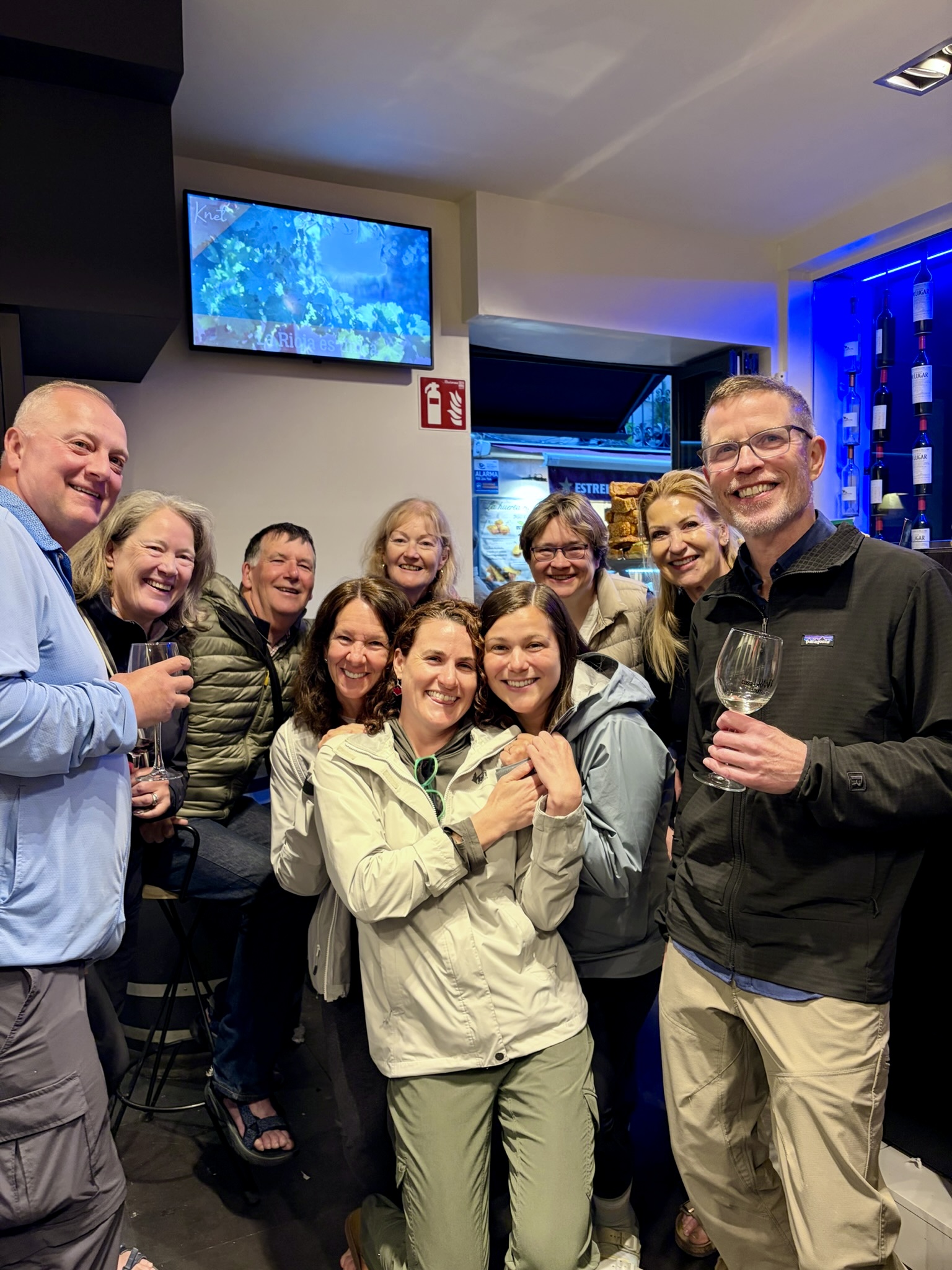
You meet retired couples finally taking the trip they talked about for years. Solo travelers between life chapters. College graduates figuring out what comes next. Burned-out professionals taking a break from corporate life. Groups of friends reconnecting. Or people celebrating milestones, recovering from heartbreaks or loss.
And the age range? Surprisingly broad.
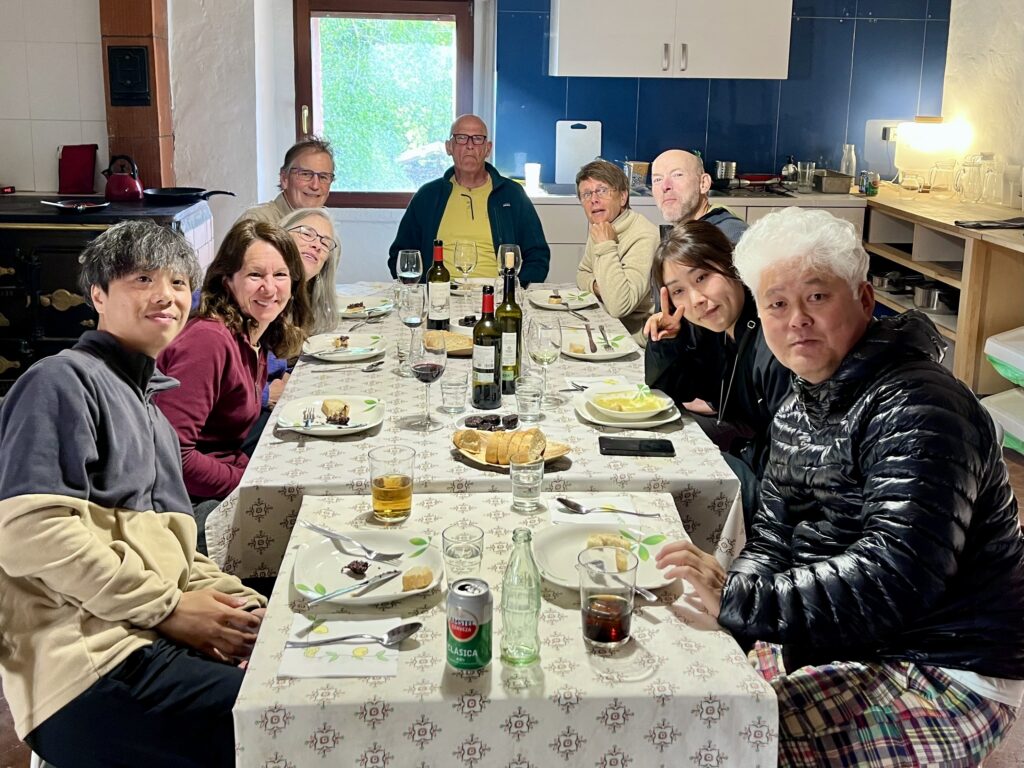
Recent Camino stats show the biggest age group tends to be adults between roughly 46–65 years old, making up 40% of pilgrims, but there’s also a huge mix of younger walkers and retirees. People 18–45 account for roughly another 40%, but what I’m most impressed by is the number of solo hikers over 70. One day you’re walking beside a retired German couple in their seventies, the next you’re sharing breakfast with South Koreans in their twenties.
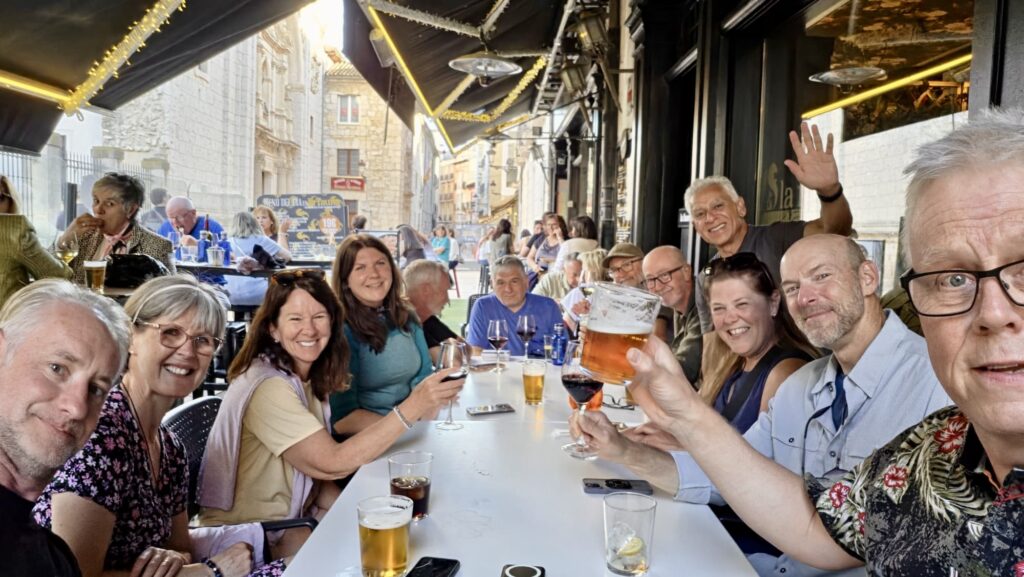
The Camino is also very international. Spaniards make up over 40% of pilgrims. After that there seems to be equal parts from the US, Australia, Italy, Germany, New Zealand, France, the UK, South Korea, and beyond. At dinner, it wasn’t unusual to have six nationalities around one table somehow bonding over tired feet and laundry strategies.
The Camino Veterans: Wait…You’ve Done This How Many Times?
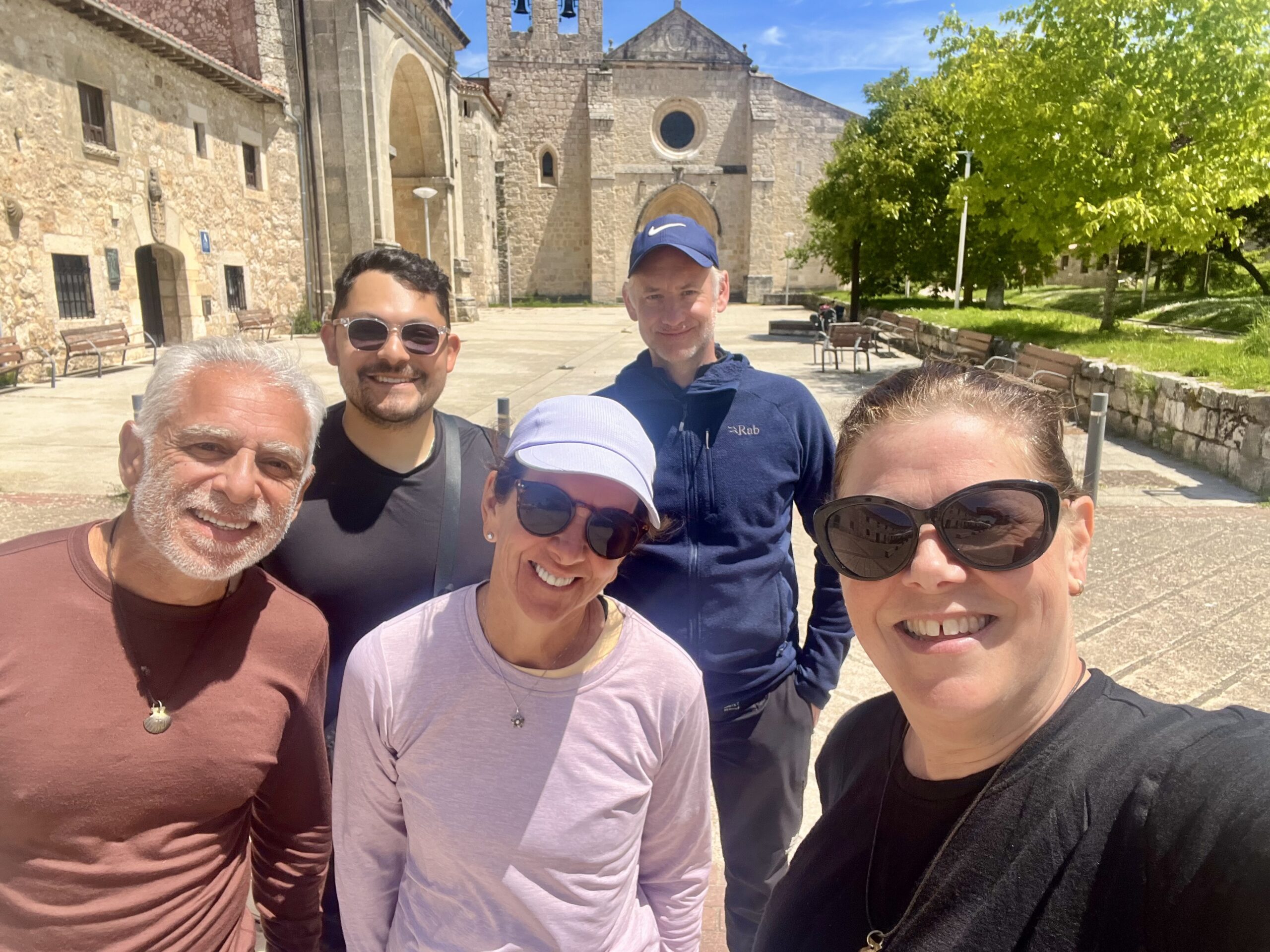
One of the most surprising groups on the Camino are what I can only describe as Camino veterans—pilgrims who had walked not just one Camino, but several.
At first, I honestly didn’t understand it. With so many incredible hikes in the world, why would someone keep coming back to the same one?
And yet, over and over again, we met people casually mentioning this was their third Camino, sixth Camino, or in one case, he has done annually for the last 10 years. Some had walked a different route on the Camino and returned to try something different. Others were slowly piecing the Camino together section by section over multiple years, treating it almost like an unfinished story.
There are actually multiple major Camino routes, each offering a different experience. The Camino Francés—the roughly 500-mile route from France that I’m hiking—is still the most popular, accounting for about 46% of all pilgrims reaching Santiago. But many repeat hikers branch out to routes like the Portuguese Camino, the rugged mountain-focused Camino Primitivo, the coastal beauty of the Camino del Norte, or shorter routes like the Camino Inglés.
The majority of pilgrims don’t actually hike the entire 500-mile Camino Francés in one go. Many people walk just a section—often the final 100 kilometers required to earn the Compostela certificate—or return over multiple years to complete different stretches bit by bit.
But as the days go on, I’m beginning to understand. There’s something uniquely special about this Camino thing.
It’s hard to explain unless you’re here. Maybe it’s the uniqueness of everyone doing it their own way. Maybe it’s the simplicity of life becoming reduced to what fits in your backpack (expect for those who pack huge suitcases and have them transported every day). Maybe it’s the conversations with strangers who somehow become familiar faces day and then quickly turn into friends. Or maybe it’s the strange way the Camino seems to slow the world down while somehow making time move faster all at once.
Whatever it is, I’m starting to see the unique attraction.