What Exactly Is the Meseta?
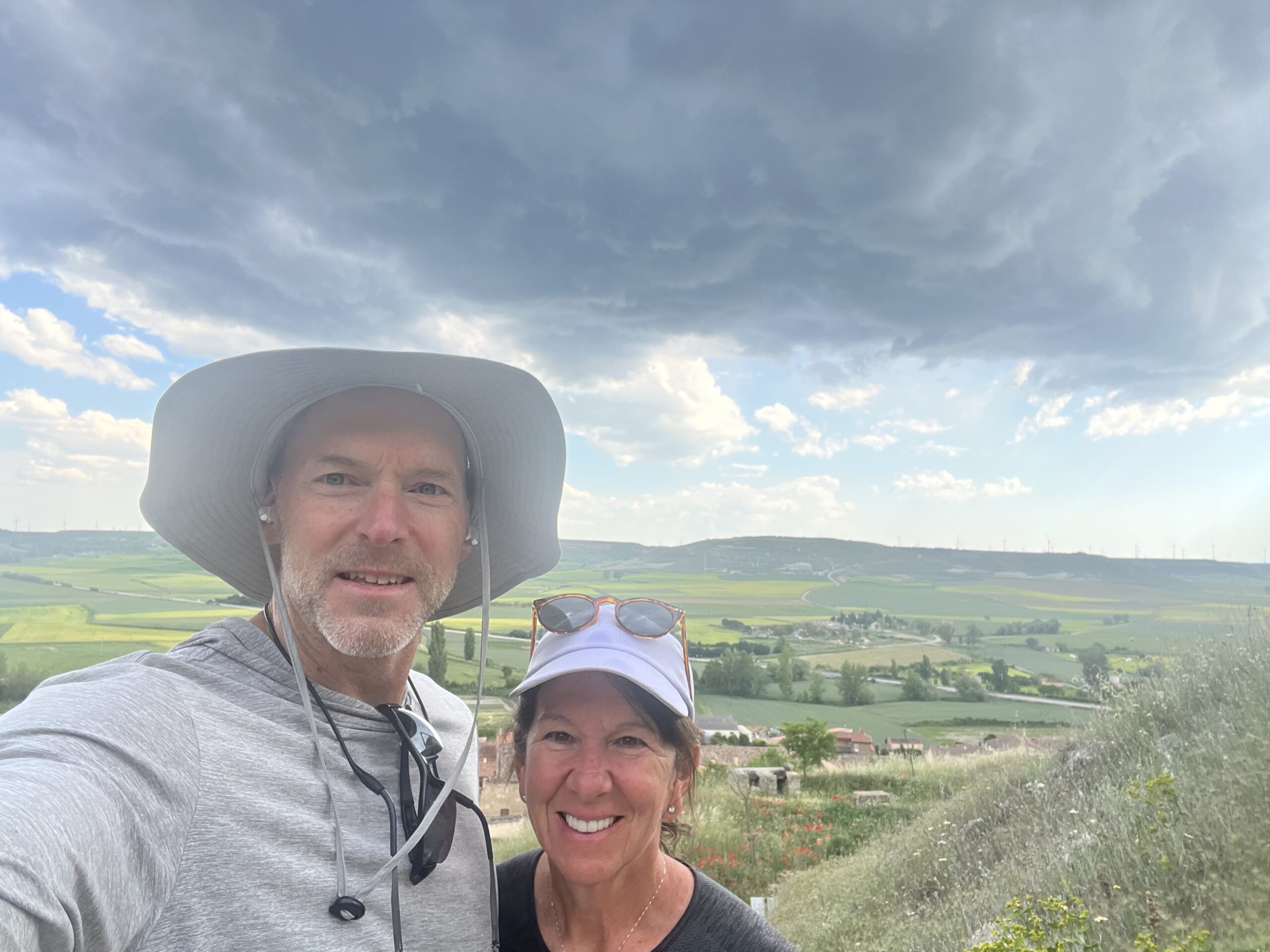
If you ask Camino pilgrims about the Meseta, you’ll usually get one of two reactions: “I loved it” or “I couldn’t wait for it to end.” Somewhere in northern Spain, the Camino changes dramatically. The forests and vineyards begin to fade, hills soften, and suddenly the landscape opens into wide skies, farm fields, and long stretches of trail that seem to disappear into the horizon.
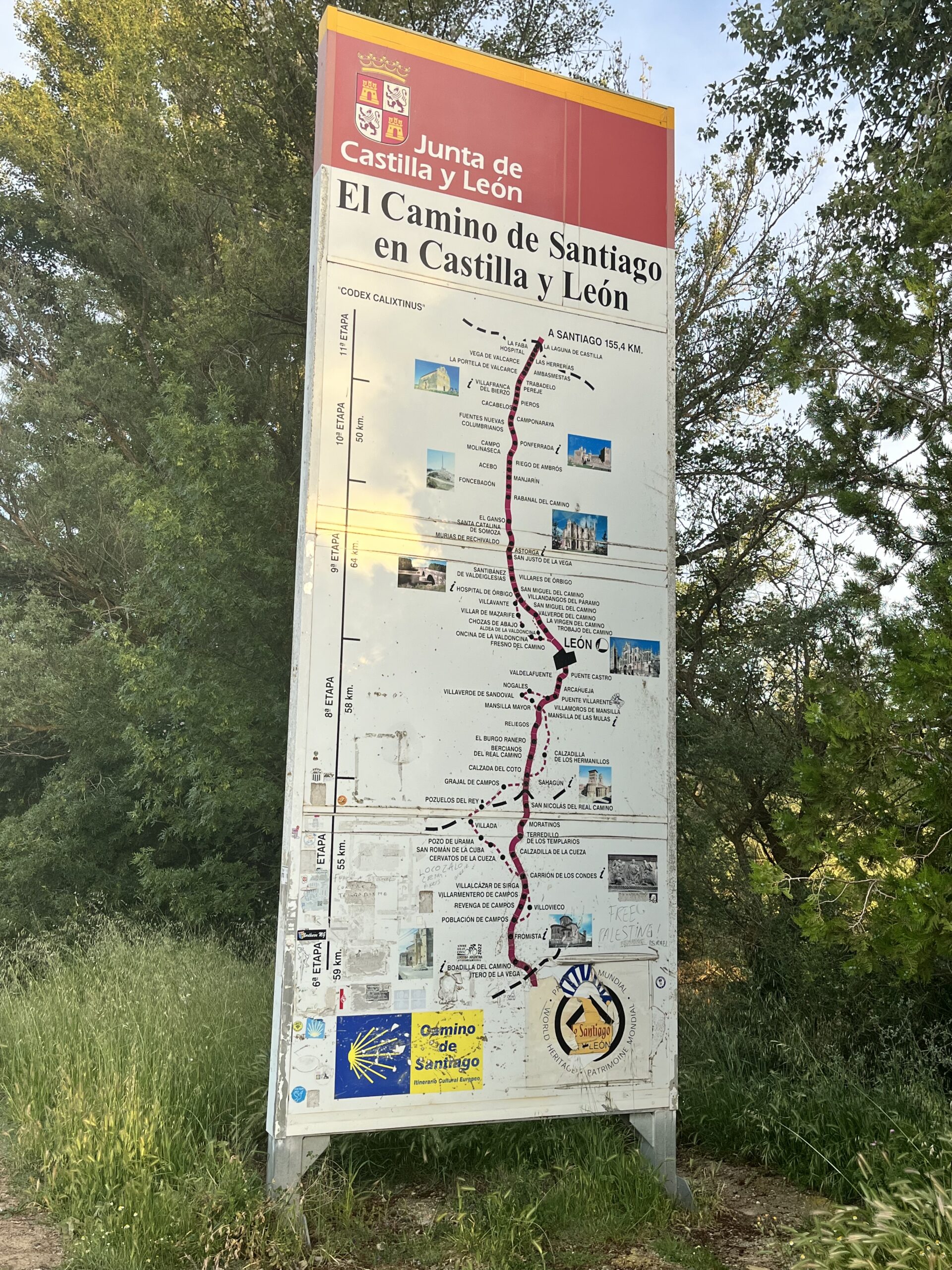
The Meseta is a high plateau that stretches across central Spain and makes up one of the most iconic sections of the Camino Francés. For most pilgrims, the Camino Meseta runs roughly from Burgos to León, covering about 180 miles. It also lands near the midpoint of the Camino for many pilgrims like me walking from Saint-Jean-Pied-de-Port to Santiago.
The Camino’s Great Divide
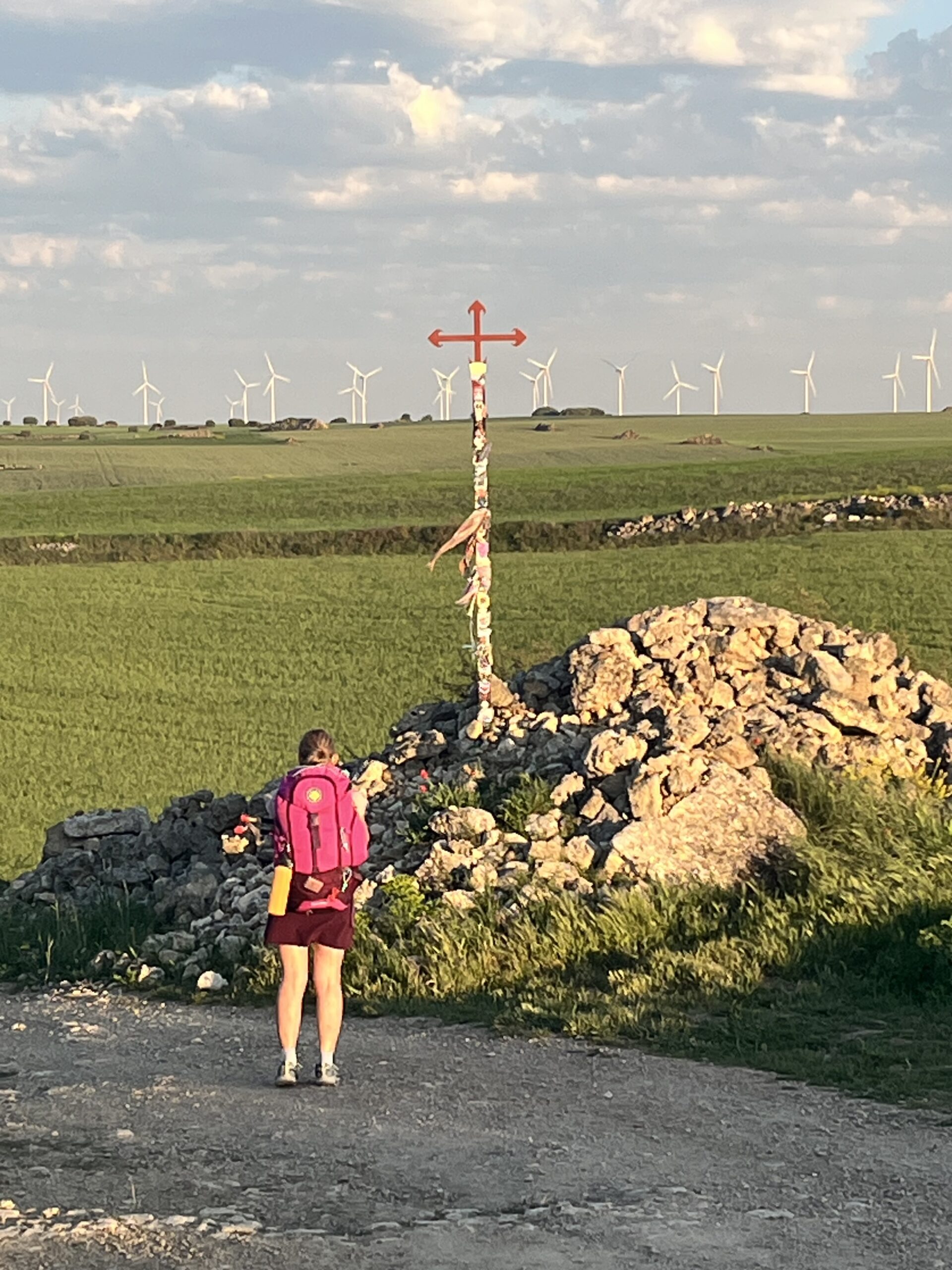
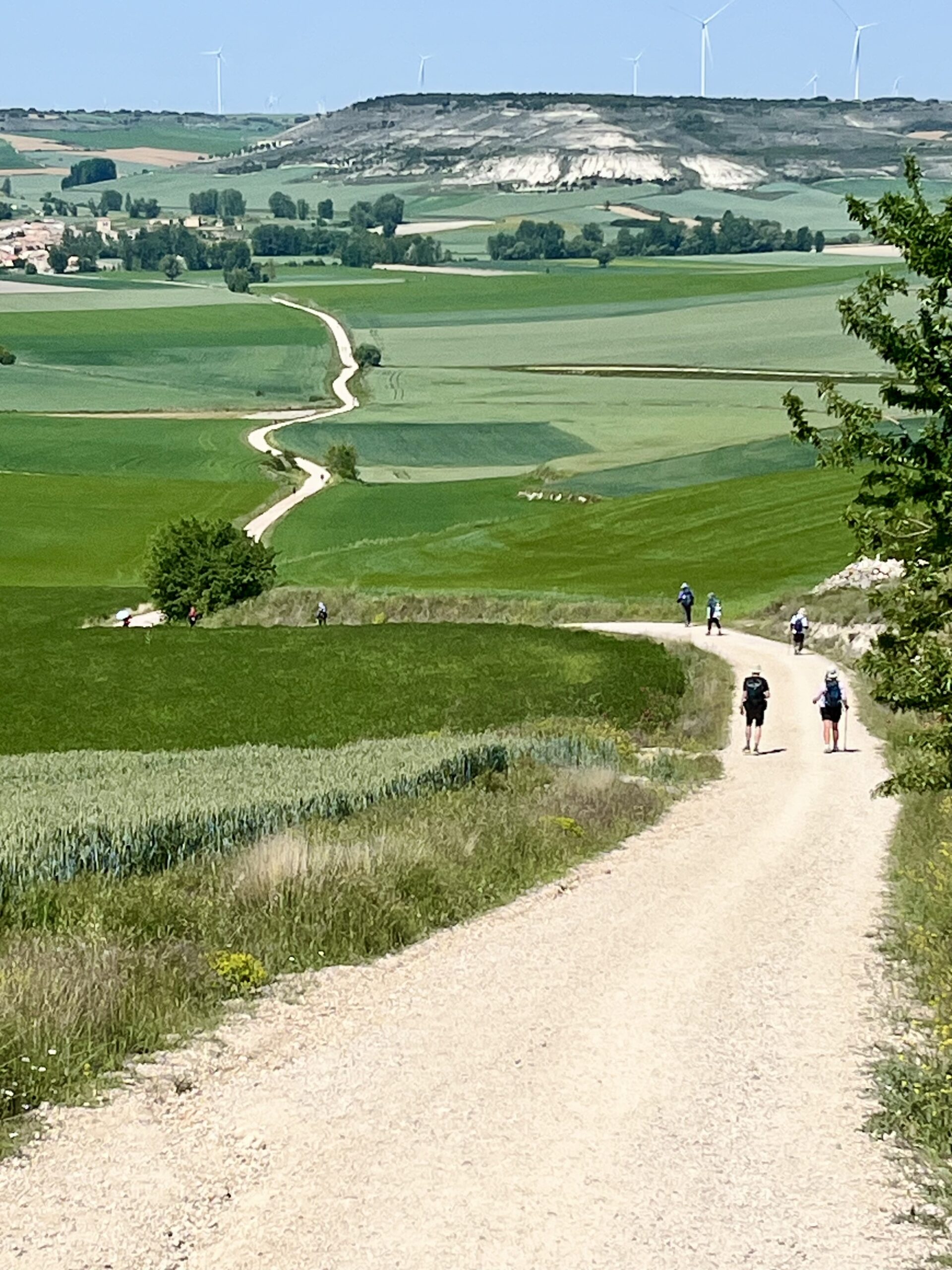
What separates the Meseta from other sections of the Camino isn’t dramatic mountain scenery or medieval hill towns. Instead, it’s the feeling of openness. The landscapes become bigger and quieter. There are fewer dramatic climbs, but longer stretches where it’s just you and your thoughts. These are long days with lots of miles and also more spacing between people.
For some pilgrims, this becomes the most peaceful section of the Camino. For others, the endless horizon feels mentally tougher than steep climbs. Either way, the Meseta has a reputation: this is where the Camino becomes less about sightseeing and more about finding your rhythm. I had my longest hiking day (over 28 miles!) and I finally had an appreciation of the Meseta and what makes it unique.
Halfway There (Kind Of)
There’s something motivating about realizing you’ve reached the middle miles. The Meseta often marks the psychological halfway point of the Camino Francés—a reminder that while you’ve already covered hundreds of miles, there’s still a long road ahead.
By the time we reached this stretch, the journey started to feel different. The nervous excitement of the beginning had faded, daily routines had settled in, and suddenly walking 15–20+ miles felt oddly normal. Somewhere out here between wheat fields and tiny villages, the Camino stopped feeling like a trip and started feeling like real life.
Wait…When Did It Get So Hot?
One of the biggest surprises has been just how dramatically the weather changed. When we started the Camino, mornings were chilly and afternoons mostly hovered in the 50s and 60s. Jackets came on and off constantly, and cool mornings were expected.
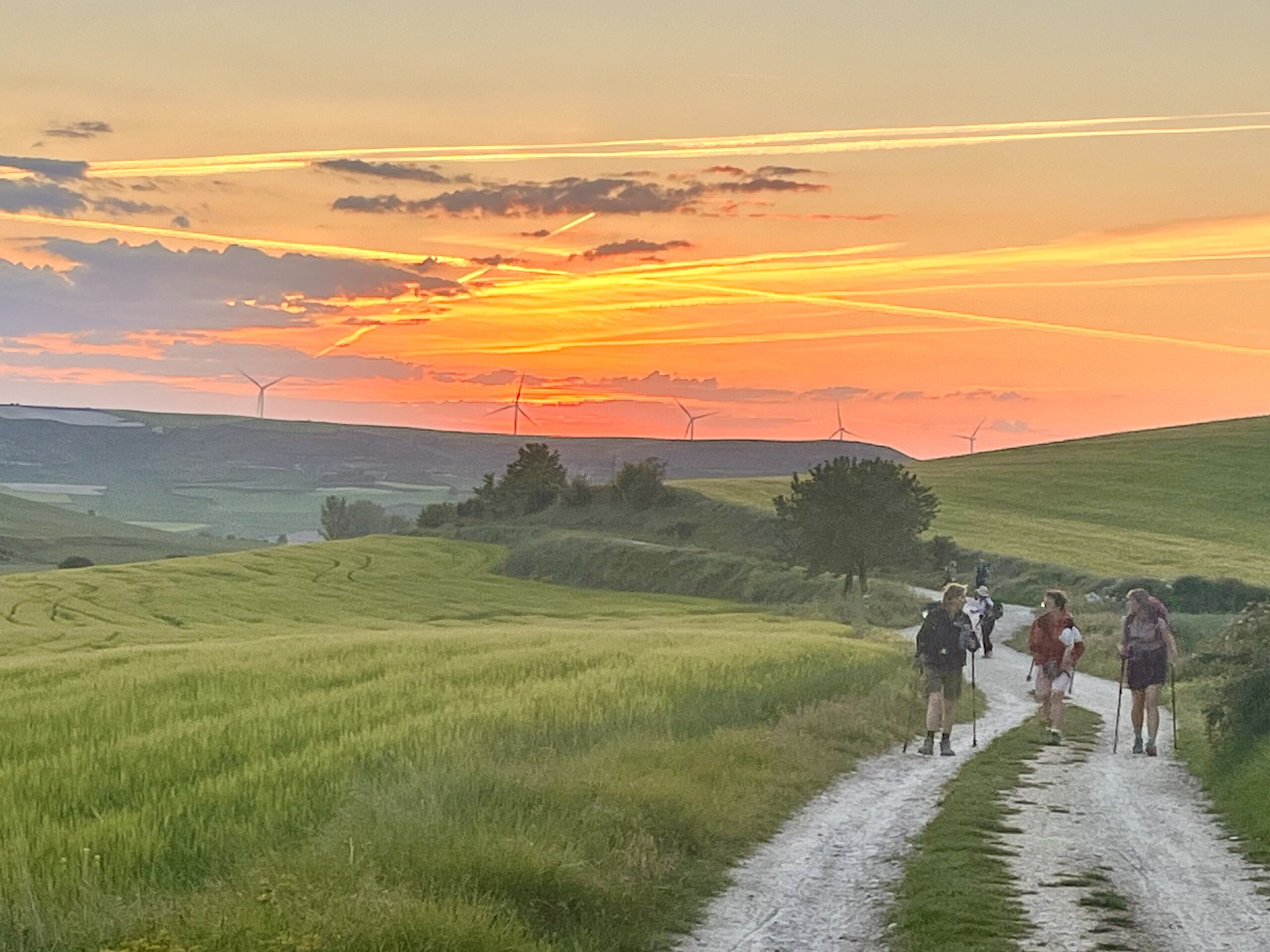
Fast forward to the Meseta, and afternoon temperatures started climbing into the mid-80s, completely changing the hiking strategy. Early starts became less optional and more necessary, especially with long stretches of open trail and very little shade. What used to feel like leisurely coffee stops suddenly became strategic hydration breaks.
Wildflowers, Wheat Fields & Working Farms
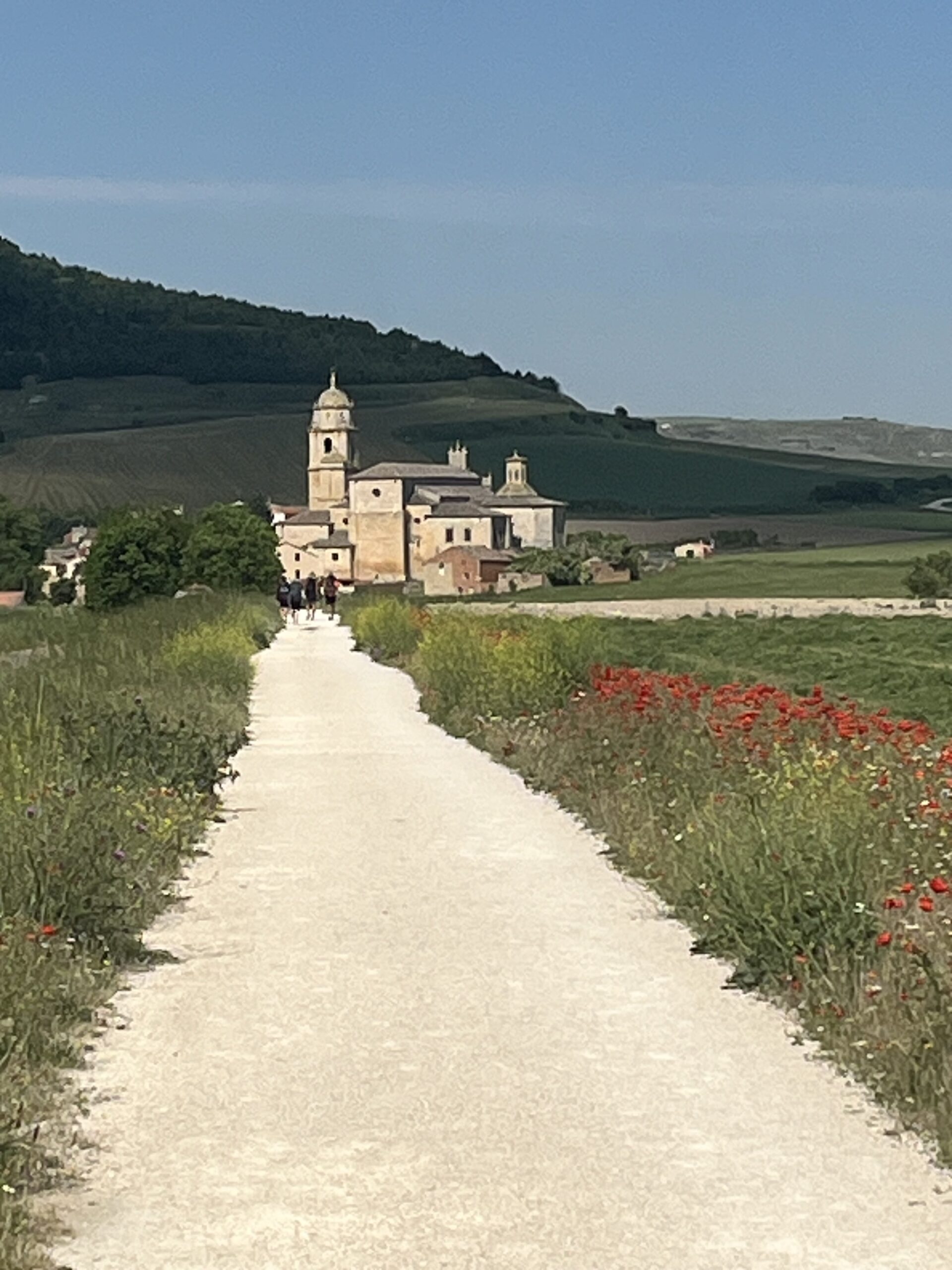
Wildflowers line parts of the trail, fields stretch endlessly in shades of green and gold, and farming season is everywhere. Some mornings we pass tractors planting fields, while other days farmers are mowing hay into neat rows drying under the sun. The scenery may not scream dramatic, but there’s something quietly beautiful about walking through the agricultural heart of Spain while life unfolds around you.
The Meseta: Love It or Leave It
The Meseta may not be everyone’s favorite section of the Camino, but it’s undeniably memorable. It’s where the miles stretch longer, the skies grow wider, and the Camino becomes quieter. Somewhere between the heat, the hayfields, and the halfway point, you start realizing you’re no longer simply walking the Camino—you’re settling into it.