The Spain You Only See at 3 Miles Per Hour
Before walking the Camino, my experience in Spain was bustling plazas, late-night tapas and vibrant cities, and beach towns. But walking across northern Spain has introduced me to an entirely different version of the country—one made up of sleepy villages, endless farmland, and communities that often feel untouched by time.
One of the greatest gifts of the Camino is that it forces you to slow down enough to notice the places in between. Towns you would otherwise speed past from a train window suddenly become places where you drink coffee, rest tired feet, share conversations, and quietly wonder: What is life actually like here?
Tiny Towns, Big Contrasts: The Story Behind Rural Spain
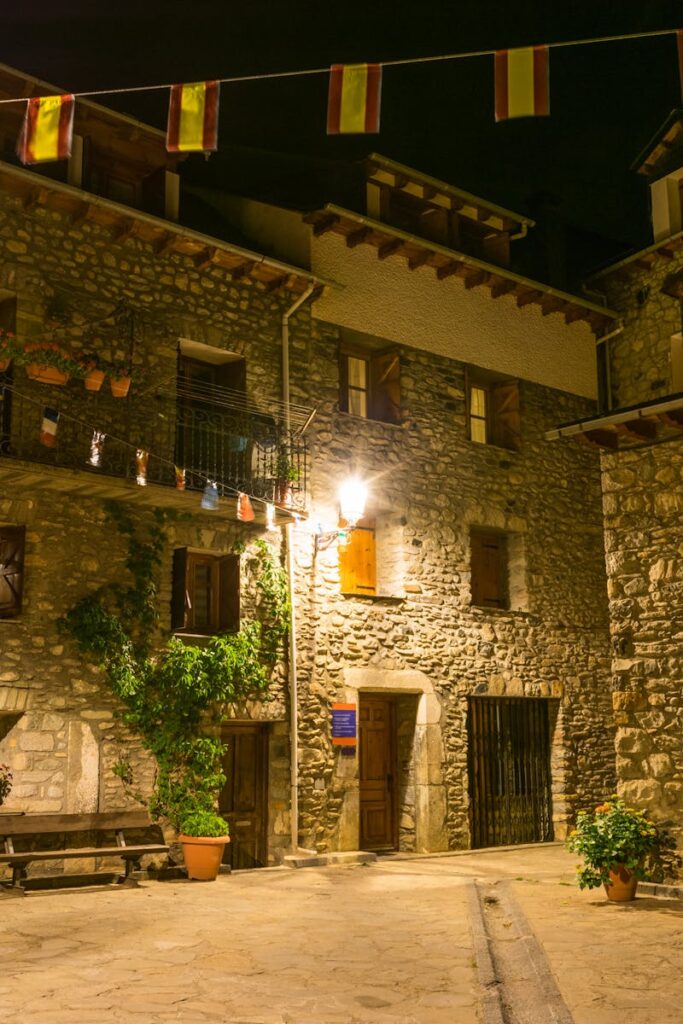
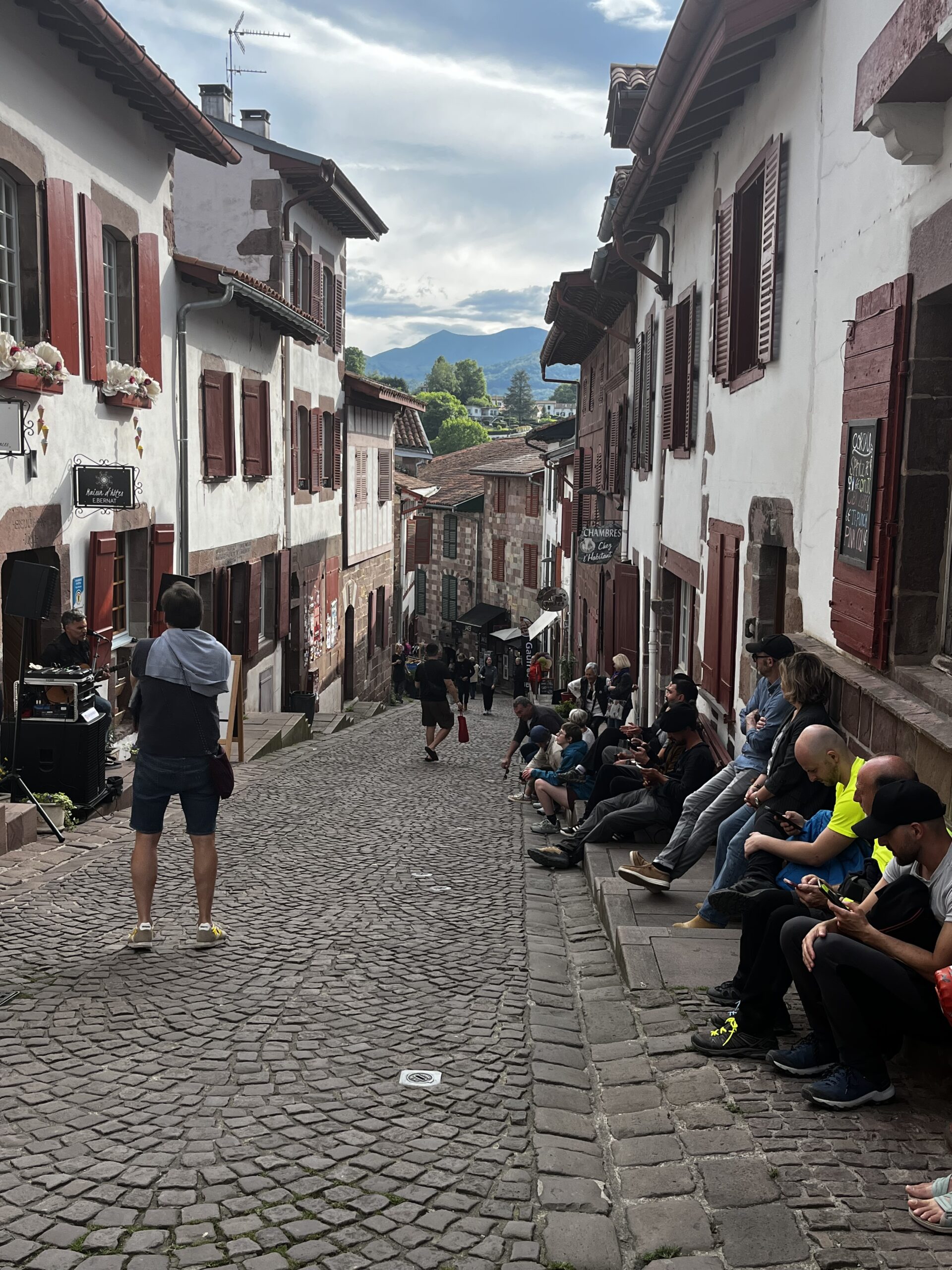
One of the strangest things about walking the Camino is how dramatically towns can change from one day to the next. Some villages feel impossibly charming—flower boxes hanging from balconies, lively cafés and locals gathered in the plaza. Others feel almost frozen in time. Streets sit empty in the middle of the afternoon. Storefronts are shuttered. You pass through wondering if anyone still lives there at all.
At first, the contrast felt random. But after weeks of walking across northern Spain, it became clear there is a larger story unfolding behind these villages.
Much of inland northern Spain is experiencing what locals call “Empty Spain”—a long-term population decline affecting many rural communities. Younger generations have gradually moved toward larger cities like Madrid and Barcelona in search of jobs, education, and opportunity, while aging populations remain behind. Regions like Castilla y León, where much of the Camino Francés runs, have been particularly affected. In some rural provinces, populations have steadily declined for decades, and many small villages now count only a few hundred residents—sometimes far fewer.
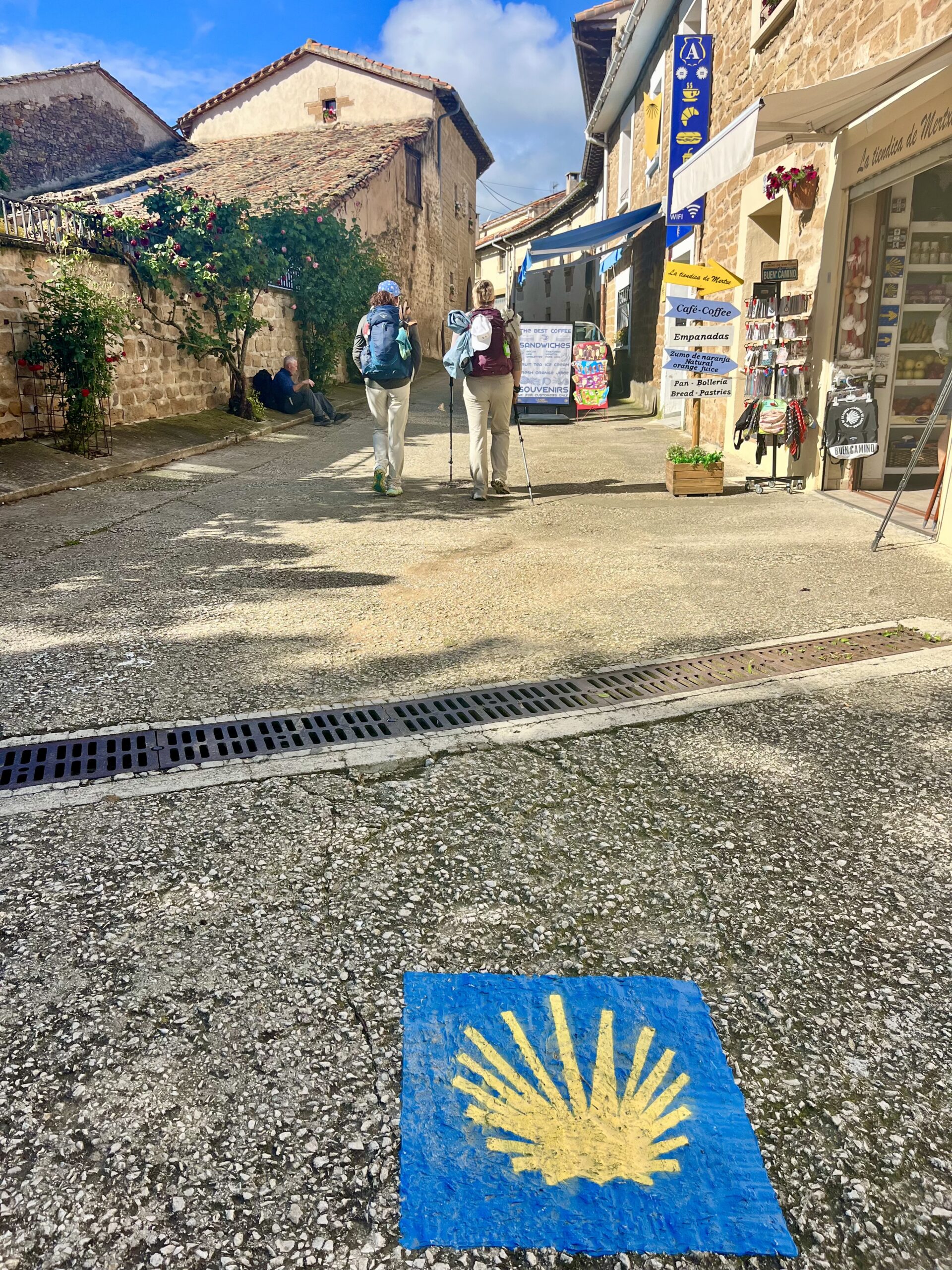
What fells especially fascinating as a pilgrim is the contrast between local populations and the number of walkers passing through. Some villages may only have 100 or 200 permanent residents, yet during Camino season hundreds of pilgrims may pass through in a single day. For a few hours each morning and afternoon, quiet streets suddenly come alive with backpacks, trekking poles, and cafes filled with tired hikers ordering coffees and Spanish tortilla.
The Fields That Still Power Rural Spain
Walking across northern Spain—especially the Meseta—it becomes impossible to ignore how much agriculture still plays in daily life. Endless wheat fields stretch to the horizon and tractors move across fields.
Castilla y León remains one of Spain’s most important agricultural regions, producing large amounts of wheat and barley. What can initially feel repetitive (some say really boring) to pilgrims crossing the Meseta begins to tell another story after enough miles: this land still matters deeply to Spain’s economy and identity.
Buen Camino…Most of the Time
After passing through dozens and dozens of villages, I found myself wondering what local residents actually think about the endless stream of backpackers walking through their towns each day.
The answer, unsurprisingly, seems a little complicated.
Many residents greet pilgrims warmly with a cheerful “Buen Camino!” before you even have the chance to say hello. Elderly locals wave from benches. Shopkeepers ask where you started.
But there are other moments too.
Sometimes your early morning café con leche arrives with an unmistakable feeling that serving exhausted pilgrims at 6:30 a.m. may not be anyone’s favorite part of the day. You occasionally get the sense that pilgrims are tolerated more than celebrated—and honestly, that probably makes perfect sense.
The Camino has exploded in popularity in recent years, with several hundred thousand pilgrims now completing various routes to Santiago annually and thousands walking the Camino Francés alone. Imagine living in a village of 150 people while thousands of strangers stream through your front door each season. It is easy to understand how locals may feel both appreciation and fatigue at the same time.
Still, the overwhelming feeling I’ve experienced is kindness. More often than not, there is encouragement, patience, and a quiet understanding between locals and pilgrims. Even small gestures—a wave, a smile, or a simple “Buen Camino”—have a way of bringing a smile.
Would These Towns Survive Without Pilgrims?
It’s impossible to walk through some villages and not wonder what life here would look like without the Camino. In certain towns, nearly everything appears connected to pilgrims. Cafés open before sunrise and pharmacies who stock the shelf with blister pads. Albergues, pensions, restaurants, luggage transfer vans, and small grocery stores all seem carefully adapted to life along the trail. Pilgrims may only stay one night, but multiplied across thousands of travelers each season, that steady flow helps support family-run businesses and creates tourism income in places many outsiders would otherwise never stop.
You cannot help but wonder how many cafés would stay open, how many rooms would stay occupied, or how many tiny villages would remain visible to travelers at all without the Camino passing through.